Image created by AI
Cape Town’s Central Line Revival: Strides in Commuter Access amidst Socioeconomic and Environmental Challenges
The City of Cape Town's Central Line, once the lifeline for thousands of commuters, is poised for a significant transformation. After a long four-year hiatus, caused by rampant infrastructure vandalism and the subsequent COVID-19 pandemic lockdown, efforts are in full swing to restore and improve the Metrorail service that has stood still since its suspension.
The Passenger Rail Agency of South Africa (PRASA) has been spearheading these efforts despite encountering setbacks. Its corporate plans for 2021 to 2025 unveiled ambitious steps to resuscitate the essential rail service. These documents indicate a comprehensive strategy to revamp the service, making it not only operational but also aligning to modern expectations regarding efficiency and technology. These updates are highly anticipated by the populace, considering passenger rail's historical role in facilitating job mobility and economic access in the metropolitan area.
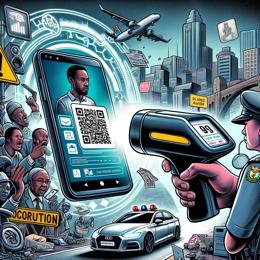
Ex-commuters have actively voiced their desire for the implementation of advanced ticketing and payment technologies, akin to those used by the Gautrain and MyCiti services. Such advancements are seen as vital to reshaping the commuting experience, shifting it towards reliability and convenience.
Despite technical modernizations, the integration of environmentally friendly transportation stands as a highlight in the PRASA's vision. The introduction of Electrical Multiple Unit (EMU) trains is set to cut carbon emissions and marks a substantial step towards a greener Cape Town. Furthermore, PRASA's commitment goes beyond the environment; it extends to alleviating road congestion by converting potential minibus trips to train rides, thereby impacting greenhouse gas emissions.
Yet, concerns linger regarding the in-depth ecological impact of these rail services without clear evidence from environmental assessments. Some ex-commuters worry about safety aboard trains, particularly considering the past incidents and the existing financial tensions between rail services and the powerful minibus taxi industry.
PRASA's assurance comes in the form of their safety commitments outlined in their Passenger Service Charter, aiming to re-instill trust in the train service. The issue of safety is not taken lightly, as it serves as a pillar for increasing train ridership and achieving emission reduction goals.
The illegal occupation of the railway tracks presents another wrinkled layer to the restoration narrative. The land disputes that ensued called for legal intervention, which culminated in an eviction order. While PRASA's response included emergency housing provisions for those affected, it has encountered skepticism and concerns about the adequacy and timeliness of these measures.
Residents have been relocated to Loyiso, an area facing infrastructure challenges, lacking proper access to essential amenities such as clean water and sanitation services. While there is optimism about overcoming these difficulties, the displacement has sparked social friction with neighboring communities—adding another dimension of complexity to the Central Line's revival story.
The City of Cape Town, in its role as a facilitator and regulatory authority, continues to support PRASA's effort, yet questions about PRASA's effectiveness persist. The city government's advocacy for localizing railway management indicates a critical strategic divergence, one anchored in the White Paper on National Rail Policy.
The revitalization of Cape Town's railway not only underpins the movement of people but is interconnected with broader economic and environmental targets. The city's ambitious goals include job creation, substantial transportation savings for commuters, and an infusion of billions into the local economy—a vision consistent with long-term strategies set for a net-zero emissions transport system.
As these multiple actors - from PRASA to the local government and the resident communities - navigate through the challenges, the Central Line's revitalization story is emblematic of a city striving to reconcile its transit-centric aspirations with the realities of socioeconomic disparities, environmental considerations, and the safety of its citizens.
Leave a Comment
Recent News