Content created by AI
The Bitter Truth: PR Campaigns Masking Health and Environmental Harm from Big Brands
In the gripping tale of Mavis, a South African victim of diabetes, we find a sobering narrative that extends well beyond personal tragedy and into the cavernous boardrooms of global corporate giants. Mavis's untimely death is not simply a matter of personal health failings but a stark reflection of a pattern perpetuated by companies like Coca-Cola through persuasive and predatory marketing strategies.
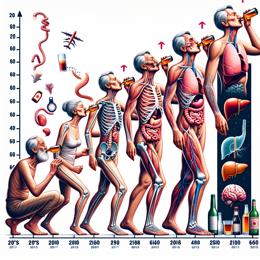
The stark reality is that diabetes has become the second-leading cause of death in South Africa, a country swamped by a non-communicable diseases (NCDs) epidemic largely fueled by lifestyle choices influenced by aggressive and misleading advertising by 'Big Sugar' and 'Big Food'. The economical impact, pegged at R2.7-billion annually, is telling of a broader societal burden, which is felt most acutely by families like that of Mavis, whose passing represents not just a life lost but an economic pillar fallen.
The strategy employed by Coca-Cola and its counterparts has been finely tuned over a century, utilizing sophisticated PR tactics to redirect the blame away from the products and towards consumer behavior. The message is clear: it's the individual's lack of willpower at fault, not the sugary beverage they are enticed to consume. This rhetoric is not only misleading but, as research has shown, it's deadly.
Illustrations and examples within the article underline the profound impact of such corporate propaganda, highlighting that the consumption of these products is driven less by consumer choice and more by extensive and manipulative marketing. The propaganda is so pervasive that even when the direct link between sugary drinks and health conditions like obesity and diabetes is irrefutably proven by credible sources like The Lancet, the Big Sugar narrative persists.
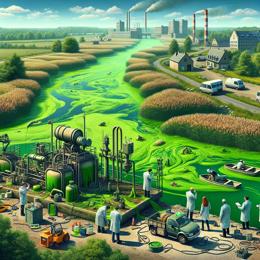
Moreover, the environmental cost of such corporates can no longer be ignored. Coca-Cola, dubbed as the world’s biggest corporate plastic polluter, seems to be in the throes of a reputation laundering exercise. Its sponsorships, ranging from cultural events to the United Nations climate summit, COP27, smacks of a deep-seated irony; an attempt to gloss over its contribution to the plastic problem and carbon emissions. The brand's staggering 5.45 million tons of annual greenhouse gas emissions are a testament to the environmental health crises they are compounding.
Calls to action have been made, urging the PR industry to realign its focus and use its potent tools for the greater good, promoting transparency and supporting the pushback against the harmful impact of such corporate giants. Initiatives like Clean Creatives and Creatives for Climate have taken the lead, representing a beacon of hope in the turbulent sea of misinformation.
In conclusion, stories such as that of Mavis and the unyielding expansion of corporate PR deception serve as a grim warning about the colossal power of spin. As we continue to witness the blurs of accountability and the detrimental consequences that follow, it is now a collective responsibility to demand change, clarity, and truth for the sake of both human and planetary health.
Leave a Comment
Recent News