Content created by AI
South Africa's Load Shedding Crisis: Nearly 300 Days Without Power in 2023
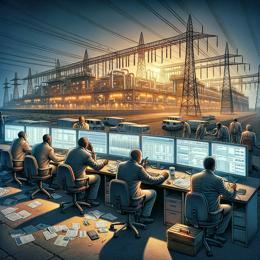
South African citizens and industries find themselves in the grips of an unprecedented load shedding crisis, as nearly 300 days of power outages have blighted the country in 2023. The nation's leading utility provider, Eskom, has been unable to stabilize the power grid, resulting in a whopping 6,894 hours of load shedding, as per the reliable monitoring by the EskomSePush app.
To put the situation into perspective, South Africa suffered 157 days or 3,776 hours of power outages in 2022, and an even lesser extent of the problem was observed in 2021, with less than 50 days of load shedding or approximately 1,153 hours. The present year's power outages have escalated to an alarming 82% of the year without reliable electricity, amounting to 407,746 minutes of darkness and frustration for South Africans.
The energy crisis this year has deepened dramatically, and the load shedding schedule has become a part of the daily lives of individuals and businesses. Recently, Eskom spokesperson Daphne Mokwena released a statement outlining the ongoing electricity supply pattern that will affect the country. Load shedding will occur from 4 pm until 5 am daily until Sunday afternoon, with interruptions temporarily suspended between 5 am and 4 pm.
Mokwena further elucidated that unplanned outages have reached a staggering 13,375 megawatts (MW), while another 7,820 MW has been taken offline for planned maintenance. However, there is a glimmer of hope, as 2,000 MW is expected to be restored to the grid by the coming Friday. Eskom has committed to keeping the public informed of significant updates at 5 am daily.
The relentless rounds of load shedding have had a profound effect on all sectors of society. Small businesses struggle to operate without a consistent power supply, while major corporations are thwarted in their daily operations, leading to economic strain. The country's international reputation as an investment destination also suffers due to the instability of infrastructure services.
With the South African populace weary from the toll of energy insecurity, there is a collective hope for an end to this debilitating situation. Finding a sustainable solution to the country’s power woes has risen to the top of the national agenda as one of the most urgent challenges to be addressed. The economic consequences and the impact on the daily livelihood of South Africans are grave, necessitating swift and effective responses from all stakeholders involved.
Leave a Comment
Recent News