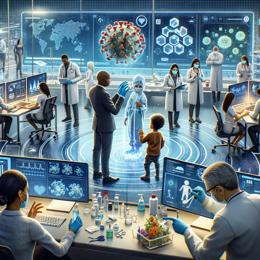
Image: AI generated for illustration purposes
The Growing Threat of Antibiotic Resistance: A Global Health Emergency
Amid a rising chorus of health professionals and organizations ringing alarm bells, Satori News Agency delves into a profound healthcare crisis: the misuse of antibiotics and the subsequent emergence of antibiotic resistance. This phenomenon has been acknowledged as a formidable global threat to public health, with the power to roll back decades of medical advances.
Dr. Fundile Nyati, CEO of Proactive Health Solutions and a general practitioner, recently spoke about this crisis, highlighting the dire consequences of imprudent antibiotic use. The conversation, which occurred on a prominent radio talk show, emphasized that the common practice of prescribing antibiotics for viral infections like colds and flu is not just counterproductive, but perilously negligent.
Antibiotics are integral tools in the arsenal against bacterial infections, being able to either hinder bacterial growth or outright eliminate the bacteria. However, their indiscriminate and unwarranted use has led to bacteria developing resistance to these drugs, a situation the World Health Organization (WHO) spells out as one of the top global threats to public health and development. Dr. Nyati echoed this sentiment, pointing to a carelessness within the medical community that treats antibiotics as a catch-all remedy rather than the targeted weapons they are.
What exacerbates the situation is the widespread availability of these drugs, including, but not limited to, unnecessary prescriptions and a flourishing black market. These practices have brought us dangerously close to a post-antibiotic era—a future where common infections could become lethal due to a lack of effective treatment.
The problem is not one-sided; patients often demand antibiotics from their physicians. This places undue pressure on healthcare providers, who may capitulate in the name of patient satisfaction or perceived risk management. However, yielding to such demands only muddies the waters further, rendering true bacterial threats more challenging to combat.
This misuse and overuse of antibiotics have led to a sophisticated adaptation among bacteria—antibacterial resistance. This resistance means that antibiotics that were once powerful lifesavers are increasingly impotent against evolving bacterial organisms. Infections like pneumonia, tuberculosis, and gonorrhea, which were once manageable, now threaten to become untreatable.
Taking a step back from the brink requires concerted effort from all quarters—the medical community must adopt stricter prescribing standards, patients must be educated about the appropriate use of antibiotics, and authorities need to clamp down on illegal antibiotic distribution.
Continuing to push against antimicrobial resistance involves promoting practices that limit the transmission of infections, such as regular hand washing, vaccinations, and safety in preparing food. Additionally, the development of new antibiotics, alternatives to antibiotics, and quick diagnostic tools must be a priority. Enhanced global efforts, including education and robust policies, can lead to the prudent use of these drugs and preserve their effectiveness for future generations.
If left unchecked, antibiotic-resistant infections will not only claim lives but also carry a hefty economic cost, potentially crippling healthcare systems already burdened by a growing number of resistant infections. The path forward is clear but requires an immediate and sustained response. It's not just about saving antibiotics; it's about saving lives.
Leave a Comment
Recent News