Image created by AI
Navigating the High Stakes: South Africa's Foreign Policy Dilemmas under Global Scrutiny
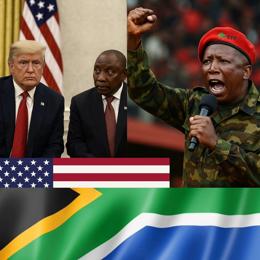
South Africa finds itself at a diplomatic crossroads, caught amidst global superpowers and internal political strategies, eliciting sharp international scrutiny and posing significant risks to its trade benefits, especially concerning the African Growth and Opportunity Act (AGOA). President Cyril Ramaphosa’s administration faces critical challenges in navigating these choppy waters, highlighting the complexity of global diplomacy.
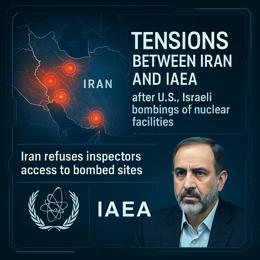
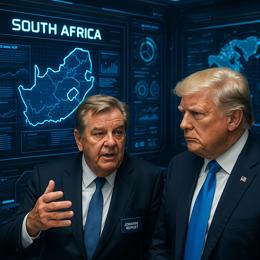
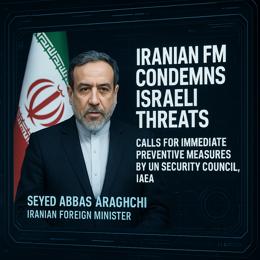
Under the heat of the Trump administration, South Africa’s relationship with the United States wavers on a fragile line. The U.S. President’s firm stance on promoting American interests aggravates the situation, shown when threats to South Africa's participation in AGOA surfaced, linked to its foreign dealings, particularly with Iran. Moreover, Trump’s MAGA agenda, emphasizing wealth and military strength, demands allies align closely with U.S. policies, something South Africa, with its ideological diversities, struggles to accommodate.
The internal dynamics within South Africa show a tangled web of alliances and political relationships. Zane Dangor, Director General of International Relations or DIRCO (Department of International Relations and Cooperation), is a key figure at this juncture. His connection with former international affairs minister and his wife, Naledi Pandor, who had previously shown favor towards Iran, further complicates matters. Their positions and decisions not only shape foreign policy but also affect domestic perceptions and international relationships.
South African foreign policy currently undergoes rigorous testing. The forthcoming review by FATF (Financial Action Task Force) over potential grey-listing for its lax anti-money laundering measures adds to the anxiety. Furthermore, global shifts like the debates over the dominance of the USD in international finance put South Africa in a delicate position, needing to balance national interests with global economic realities.
Criticism doesn’t only pour in internationally but domestically as well. Ramaphosa's overt critique of U.S. foreign policies, especially regarding Israel, has not sat well with U.S. officials, potentially endangering further diplomatic and economic ties. The concern is that such tensions could lead to dire economic sanctions or loss of trading privileges which are crucial for South Africa’s economic stability.
On a broader scale, South Africa’s mishandling of international relations, as illustrated by its poor turnout and preparation at its first G20 appearance, underscores a bigger issue of political and diplomatic management. This calls into question how South Africa, a nation with immense potential and responsibilities in the African continent, manages its relationships with global powerhouses and aligns its internal governance to effectively handle international pressures.
In conclusion, the trajectory of South African foreign policy under President Ramaphosa’s leadership does not only test his administration’s diplomatic acumen but also sets the stage for how emerging economies in Africa engage with world powers like the USA, navigating through ideological diversities and economic dependencies.
Leave a Comment
Recent News