Image created by AI
South Africa Mobilizes for R450-million Island Mouse Hunt to Save Endangered Seabirds
South Africa is embarking on an ambitious conservation project, the largest of its kind, with a budget of R450 million to rid Marion Island, a remote territory between the country and Antarctica, of invasive house mice that pose a catastrophic threat to local wildlife. The mice, which were likely introduced by sealers in the 19th century, have multiplied rapidly due to the warmer and drier climate conditions over the past decades, leading to critical challenges for the maritime ecosystem.
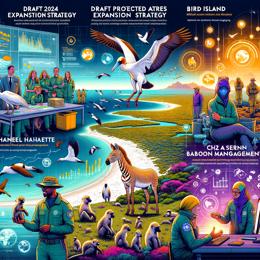
The government's environment department and BirdLife South Africa, a well-respected non-profit organization, are jointly leading the charge on the project. Named the 'Mouse-Free Marion Project,' the operation is vital to protect the fragile ecosystem of the 30,000-hectare island, which is home to no permanent human residents apart from a small contingent of researchers.
One of the dire consequences of this mouse infestation is the predatory impact these rodents are having on the island's seabird populations. According to the South African National Biodiversity Institute's annual invasive species report, the mice are affecting both adult birds and their hatchlings. What's more striking is that they are now consuming the seabirds, indicating a change in the food hierarchy due to a previous depletion of invertebrates – their natural prey.
The stakes are high, as the Department of Environment, Forestry and Fisheries and BirdLife South Africa emphasize the urgent need to take action. Alarmingly, 19 of Marion Island's 28 breeding seabird species could be pushed to the brink of local extinction by mice predation within the next three decades if the situation remains unaddressed.
To mitigate this ecological crisis, plans for the eradication campaign are underway, with a proposed method of deploying helicopters to disseminate rodenticide across the island. This strategy has been used successfully in similar eradication projects on other islands, albeit on a smaller scale.
It is crucial for the success of the project that the execution is precise to avoid collateral damage to non-target species, which calls for careful planning and an interdisciplinary approach involving conservationists, ecologists, and other experts. Thereupon, funding is being sourced to secure the necessary resources for the operation, underscoring the country’s dedication to preserving its unique biodiversity and global natural heritage.
The Mouse-Free Marion Project is not just a demonstration of South Africa's commitment to environmental stewardship but also serves as a hopeful exemplar for other nations grappling with the consequences of invasive species. It is a reminder of the delicate balance within ecosystems and the substantial impact that human actions, however inadvertent, can have on the natural world.
Leave a Comment
Recent News