Image created by AI
Huawei's Innovation Amidst US Tech Restrictions Highlights China's Semiconductor Ambitions
Huawei Technologies Co., in collaboration with Semiconductor Manufacturing International Corp. (SMIC), has achieved a significant milestone by producing a cutting-edge 7-nanometer chip – a feat accomplished with the help of United States technology. The strategic utilization of equipment from California-based tech giants Applied Materials Inc. and Lam Research Corp. underlines the complexities embedded in international trade regulations and the relentless pursuit of technological advancement by Chinese corporations.
The development of the 7-nanometer chip was executed by Shanghai-based SMIC, reportedly using American-made gear. This revelation, not yet in the public domain, points to an intertwined global technology landscape where despite stringent trade barriers, the exchange of innovation continues to flourish, albeit in nuanced forms.
China's bid for technological independence and prowess has been a cornerstone policy in recent years. With the government's backing, companies like Huawei have made significant investments to burgeon domestic semiconductor capabilities. This strategic move by the Asian tech juggernaut underscores the ongoing challenges and aspirations faced by the Chinese tech industry in the shadow of global trade dynamics.
The chip produced for Huawei’s Mate 60 Pro smartphone marks a symbolic resistance to the US's concerted efforts to choke China’s access to semiconductor technology. While there's recognition that the produced chip is generations behind the leading global offerings, it notably surpasses the levels at which the US aimed to cap China's tech progression.
The nuances of the technical success are as telling as the political narratives that accompany them. The American machinery employed for the manufacturing of the chips, in fact, was procured prior to the US ban on sales to Chinese firms in October 2022. This speaks volumes about the foresight and strategic planning exercised by the parties involved. The gear in question also had components from Dutch company ASML Holding NV, highlighting the intricate global network of semiconductor technology and resources.
Despite this triumph, the pursuit of self-reliance continues as Chinese firms like Advanced Micro-Fabrication Equipment Inc. and Naura Technology Group Co. strive to match their western counterparts' sophistication and reach.
Following the production of this advanced chip, the US did not sit idly by. The Commerce Department’s Bureau of Industry and Security, responsible for export controls, launched an investigation into this achievement, reinforcing their intent to safeguard national security interests. Moreover, this has ignited political discourse, with calls from Republican lawmakers to completely sever Huawei and SMIC from US technology roots.
The sector is also facing pivotal challenges. With restrictions in place, SMIC's ability to produce these chips at a large scale is questionable, as noted by both American officials and industry experts. The ability to manufacture chips without the high-grade equipment supplied by ASML’s extreme ultraviolet lithography systems poses significant production and efficiency hurdles.
Furthermore, the geopolitical landscape is evolving as the US lobbies for an international front to curb China's access to critical semiconductor technology. These debates expose the tension between national security concerns and the reality of the globalized trade, which could have ripple effects across the tech world, particularly in emerging fields such as artificial intelligence, where computational power and innovation are paramount.
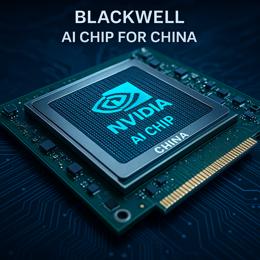
Huawei, a formidable force in the technology sector, is at the forefront of China's ambition to be a global leader in AI. Their progress presents a nuanced challenge to established tech titans like Nvidia Corp., whose CEO has acknowledged the company as a "formidable" rival.
Such advances from Huawei and SMIC emphasize the delicate balance between adherence to international trade policies and the unyielding quest for technological dominance. It reflects a broader narrative of resilience and adaptation in the face of international pressure, and the desire to remain at the precipice of the global technological hierarchy.
Leave a Comment
Recent News