Image created by AI
Whistleblower Chuck Stephens: A Tale of Endurance and Peril
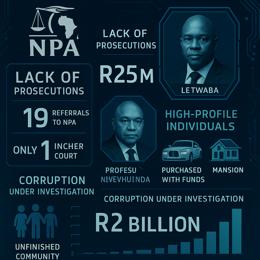
In a tale that echoes the chilling narratives of fear and endangerment often faced by whistleblowers worldwide, Chuck Stephens has shared a personal account that underscores the precarious nature of his current existence. As an activist and author affiliated with the Desmond Tutu Centre for Leadership, Stephens has lived under the specter of retaliation since 2011 when he first blew the whistle on corrupt activities within the Community Work Programme in Mpumalanga, South Africa.
The revelations that Stephens brought to the fore were not without consequence. He has endured a seemingly relentless onslaught of malice and intimidation, which, according to his accounts, has escalated to dangerous levels. His situation has become so dire that he has resorted to sleeping with a loaded gun by his side out of fear for his own safety. This detail emerges from a candid interview with BizNews, where Stephens not only spoke about his apprehensions but also revealed a harrowing incident when he had to confront intruders in his home.
Reminiscent of the fate that befell Babita Deokaran, a Department of Health whistleblower who met a tragic end, or the forceful suppression of Russian opposition figures like Alexei Navalny, Stephens is acutely aware of the potential consequences of standing up against powerful adversaries. The comparison he draws with such high-profile cases is a sober reminder of the peril he faces.
Stephens's ordeal has not been limited to physical threats and break-ins. He was arrested and placed in an overcrowded cell where he contracted COVID-19. The ordeal led to a legal suit against the Minister of Police for unlawful arrest and, more shockingly, for attempted murder due to the exposure to COVID-19 in a confined space with known infected individuals.
Stephens describes an environment in which an official within the Premier's Office has not only obtained a Protection Order against him but has used said order as a bludgeon to engage in legal and civil disputes. The intertwining of religious stewardship with governmental authority, as Stephens notes, has been orchestrated to sideline him as he faces alienation akin to revolutionary exile.
He reflects on the broader cultural perceptions of whistleblowing within South Africa, lamenting the stigma that still clings to those who illuminate the dark corners of corruption. While Stephens recognizes the roots of this stigma in the country's past, he argues that in the democratic era, whistleblowing should be lauded as an act of exemplary citizenship.
The parallels Stephens draws between his situation and the plights of historical figures like Leon Trotsky serve as a stark reminder that speaking truth to power can lead to a journey paved with sacrifice and tenacity. Yet, Stephens's experience also amplifies the call for greater protection and support for those who dare to confront malfeasance.
Leave a Comment
Recent News