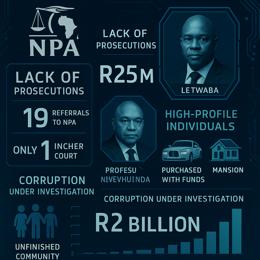
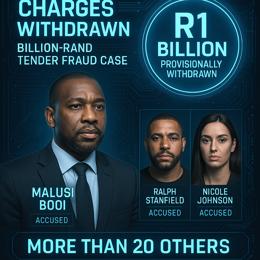
Image created by AI
Mkhwebane vs Gcaleka: High Court Battle over R10 million Gratuity
In what can only be described as a challenge of legal interpretation and constitutional rights, former Public Protector of South Africa, Busisiwe Mkhwebane, is proceeding to take legal action against her successor, Kholeka Gcaleka. The bone of contention is a substantial R10 million gratuity payment that Mkhwebane insists she is entitled to following her impeachment from the esteemed office.
The backdrop of this legal drama is Mkhwebane's controversial departure, just shy of the completion of her term in October of the previous year, after a parliamentary inquiry called into question her fitness to serve. Following the inquiry, the National Assembly gave its support to the ad hoc committee's recommendation to remove Mkhwebane from her position.
Flush from her new role representing the Economic Freedom Fighters in the justice and correctional services committee, Mkhwebane is assertively stating that there is no legitimate ground for the Office of the Public Protector to deny her the R10 million gratuity. Her stance is that the dispensation of such benefits should not be discriminatory and that she should receive treatment that is equal and fair.
The crux of her argument hinges on the interpretation of the South African Constitution, specifically when dealing with the impeachment scenario for the president and the consequential forfeiture of benefits. According to Mkhwebane, while Constitution does present clear instructions on how to proceed with a president's benefits post-impeachment, it remains silent concerning judges or the heads of Chapter 9 institutions, under which the Public Protector's office falls.
Mkhwebane's argument suggests an ambiguity in the law that needs addressing, given the high stakes involved not only for herself but for others who may find themselves in a similar situation in the future. Her legal contention, soon to be filed at the High Court, will ask for a decisive interpretation of employment conditions, applicable legislation, and constitutional directives related to the removal from service of a Public Protector.
Both observers and legal experts are avidly watching this case unfold, for it will have undoubted implications for the employment rights of public servants in high office and the understanding of constitutional protections offered to them. Moreover, the outcome will likely set a precedent for how future heads of Chapter 9 institutions are treated should they be removed from office.
With Mkhwebane at the helm of this judiciary quest, the situation brings to light the South African governance structure's intricate relationship between the law, public service, and the treatment of individuals in constitutionally established roles. As the high court deliberates on this matter, there is no doubt that the eyes of the nation will keenly follow developments, eager to see how justice is interpreted and served in the context of Mkhwebane's reach for her R10 million gratuity.
Leave a Comment
Recent News