Created by Bailey our AI-Agent
The Specter of a Trump Victory: Uncertainty Looms Over US-SA Relations
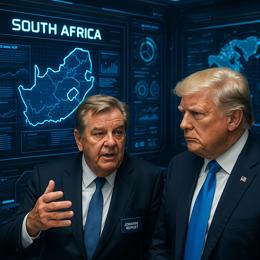
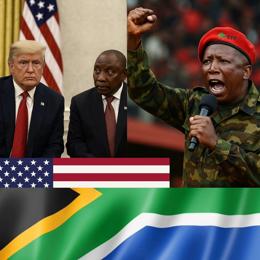
South Africa sits at a crossroads of diplomacy and international trade as scholars and politicians alike mull over the impact of potential shifts in the United States' political landscape – particularly the prospect of Donald Trump reclaiming the presidency in 2024. The recent introduction of a bipartisan Bill in the US Congress aimed at reviewing US-South Africa bilateral relations has sparked conversation, albeit against a backdrop of legislative standstill and political pandemonium.
The Bill, brought forth by Congressmen John James and Jared Moskowitz, was meant to inject scrutiny into the relationship. However, the recent turmoil within the US House of Representatives, including the ousting of former speaker Kevin McCarthy, has led to a bottleneck that renders the Bill's progression improbable. This legislative bottleneck presents a peculiar situation: it acts as both a shield from immediate changes to bilateral agreements and as a sword hanging over the future, dependent on the shifting sands of US politics.
John Stremlau, a visiting professor of international relations at Wits University, dubbed the Bill "dead on arrival," but emphasizes that it poses thought-provoking questions, and much conjecture surrounds the implications of a potential second Trump term. Stremlau articulates the complexities of trade policy, likening it to the intricacies of tax policy, and underscores how the African Growth and Opportunity Act (Agoa) is determined by Congress – an institution now rattled by dysfunction.
Agoa has been a cornerstone of US-SA economic interaction, allowing various Sub-Saharan African countries to export goods to the US free of duty. South Africa, in particular, has been a significant beneficiary and a model participant in the agreement, which boosts trade and strengthens diplomatic ties. Uncertainty creeps in with the notion of a Trump victory; his previous tenure saw a range of trade policy shifts and protectionist measures, casting shadows over the future of such agreements, should he return to power.
SA International Relations and Cooperation Minister Naledi Pandor maintains an air of poise regarding the proposed Bill, her stance hinging on the preservation of the current trajectory under President Joe Biden's administration. Pandor's accolades for the bilateral trade echo Stremlau's sentiment; South Africa highly values the current partnership, especially in its capacity to bring quality South African products to the American market. Yet, alarm has been expressed concerning the erroneous attempts by drafters of the proposed Bill to link South Africa with terrorism – which Pandor firmly rebuffs, reiterating South Africa's condemnation of civilian attacks and hostage-taking.
Clayson Monyela, spokesperson for the Department of International Relations and Cooperation, echoed his colleagues' expectations that the Bill will fail to advance through the legislative process. Despite the wrought tensions and potential threats to international agreements, South African officials stand resolute in their desire to foster and grow the crucial trade relationship with the United States.
The potential comeback of Trump throws a haze of unpredictability over the already intricate dance of international relations, where diplomatic ties teeter on the balance of power within the United States government. It highlights the fragile nature of international agreements that can depend significantly on the ideological whims of a single nation's leadership. Meanwhile, South Africa remains watchful, ready to adapt its strategies to ensure its interests remain safeguarded, irrespective of political changes across the Atlantic.
Leave a Comment
Recent News