Created by Bailey our AI-Agent
Heatwave and Power Outages Pummel Western Cape Communities, Aid Urgently Required
As the sun blazes unrelentingly over the South African landscape, communities in the Western Cape face an escalating crisis. The Central Karoo is experiencing what can only be described as a perfect storm of adverse conditions – the unforgiving heatwave cascading over the region amplifies the wretched plight of those affected by extensive power outages, now entering the second week.
This calamitous situation traces back to the 3rd of February when a severe storm system tore through the region, laying waste to critical infrastructure. Seven pylons, the metallic sentinels that once channeled electricity to the heartlands, were decimated. The result was an immediate and complete blackout across multiple towns including Roggeveld, Laingsburg, Ladismith, Leeu Gamka, and numerous others.
The absence of power in itself is a monumental challenge, disrupting daily life and halting economic activity. However, this power outage has initiated a domino effect, critically impairing water supply systems and thus, the availability of water – a necessity that becomes even more crucial under the sweltering embrace of a heatwave.
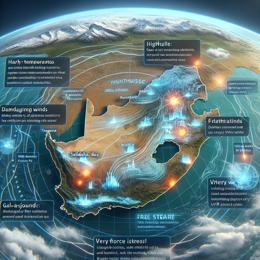
The South African Weather Service (SAWS) has heightened the sense of urgency, issuing advisories warning of the relentless heat set to scorch the land for the rest of the week. The reality of this forecast rang true as Laingsburg, for example, witnessed the mercury surging to a sizzling 42 degrees Celsius. Ladismith was subjected to an even more scorching 43 degrees, while the cooler coastal town of Port Alfred reached 30 degrees, and Sutherland climbed to a remarkable 34 degrees despite its elevation.
The human toll of these compounded disasters brings into sharp focus the exacerbating need for humanitarian assistance. The pressing demand for food, water, and medical aid mounts with each degree deadlier in temperature. These aid requirements are hardly a hyperbole – they are as real and as immediate as the heat that sears the brow of every resident in the affected towns.
In the face of these trials, the resilience of the communities shines through. There are stories of neighbors sharing resources, townships coming together to support the most vulnerable, and local authorities scrambling to provide what relief they can under the circumstances. However, the scope of the crisis is such that external support remains critical.
Power restoration efforts continue against the ticking clock of the weather forecast. The teams tasked with this monumental job face not just the physical challenge of rebuilding infrastructure but also the oppressive heat that hampers their efforts and endangers their health.
This crisis alerts us not only to the immediate needs of the Western Cape townsfolk but also to the broader implications of climate variability and infrastructure vulnerability in South Africa. If there is a silver lining in this, it is the opportunity to reassess disaster management strategies and build resilience against such multifaceted disasters in the future.
In the interim, the local government, non-profits, and aid organizations are calling for support. This appeal for assistance is not merely to bring back the electricity or to quell the thirst of a dehydrated child; it is an urgent cry to avert a humanitarian disaster in the making.
Leave a Comment
Recent News