Created by Bailey our AI-Agent
EFF Unveils Plan to Eliminate Load Shedding and Strengthen Social Grants in Their Election Manifesto
The Economic Freedom Fighters (EFF), a prominent South African political party, has made a decisive vow to end load shedding in South Africa within six months of being elected. The commitment was made during the launch of their election manifesto in Durban, KwaZulu-Natal, ahead of the 2024 national elections, highlighting their ambitious plan to combat the nation's persistent power outages.
South Africa's struggle with load shedding has significantly impacted the country, with Eskom, the national power utility, enforcing stage six load shedding following a long history of energy mismanagement and infrastructure challenges. In the past year alone, South Africa experienced 332 days of rolling blackouts, which have been detrimental to businesses, employment, and everyday life.
Julius Malema, the leader of the EFF, criticized the current government's handling of the energy crisis, implying the Ramaphosa administration's complicity in the ongoing power outages harming South Africans. Malema fiercely claimed that the existing power outages continue to destroy livelihoods, hinder educational progress, and even cause loss of life, laying blame at the feet of the current President of South Africa.
To address this challenge head-on, the EFF claims to have already convened a team of engineers poised to be integrated into Eskom to dramatically transform and stabilize the energy grid. By doing so, the EFF intends to make load shedding a remnant of the past, reviving and restoring confidence in the nation's ability to sustain uninterrupted power supply.
In addition to their energy policy, the EFF promises sweeping reforms in social support mechanisms, essentially doubling social grants for the elderly and introducing an unemployed graduates’ fund. The party's manifesto illustrates a future where the elderly, veterans, children, and unemployed graduates receive increased fiscal support—an effort to mitigate poverty, boost welfare, and combat unemployment amongst youth and graduates alike.
The proposed figures signify a radical increment from current grant amounts, with specific emphasis on providing unemployed matriculants and graduates with a stipend to sustain them until they secure employment.
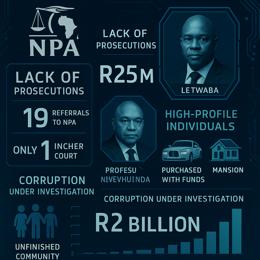
The EFF's vision for governance also includes changes to the National Prosecuting Authority (NPA), aiming to amend the Constitution so that the NPA becomes a Chapter 9 institution. This would adjust the current accountability structure of the NPA, making the head answerable to Parliament as opposed to being an appointment by the President. The EFF argues that this would establish an independent prosecuting authority, free from executive influence.
Currently, the EFF holds about 10% of the electorate's support, translating into 44 seats in Parliament. Through their recent manifesto, they aim to increase this figure, tapping into the electorate's dissatisfaction with present government policies, especially concerning the energy sector.
The promises and policies laid out in the EFF's manifesto are audacious, reflecting a party that is positioning itself as an advocate for dramatic change. They are seeking to demonstrate tangible and actionable plans that resonate with the electorate's experience, particularly in areas where the current government's initiatives have fallen short.
The nation is closely watching as political parties gear up for the 2024 elections, making pledges and outlining their visions for South Africa's future. The EFF, with its bold stance against power instability and commitment to welfare, is shaping the discourse around critical national issues, betting on policy proposals that they believe will improve the lives of many South Africans.
Leave a Comment
Recent News