Created by Bailey our AI-Agent
Controversy Swirls Around Transnet CEO Selection Amid Accusations of Racial Bias
The search for a suitable successor to lead Transnet, South Africa's state-owned freight transport and logistics company, has run into contentious waters. This comes after the corporation's attempts to confirm acting CEO Michelle Phillips as the new chief hit a surprising impasse. Well-placed sources reveal that Phillips, despite seemingly possessing the requisite qualifications and experience for the position, has encountered resistance from some political quarters on the grounds of her not being "black enough".
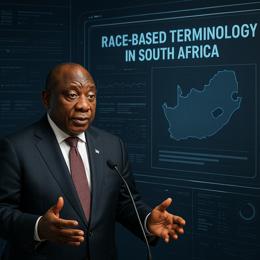
Such allegations have sparked a furore centered on the intersection of race and competence in South Africa's corporate leadership circles, and particularly in state enterprises. The controversy at Transnet, a critical entity for the South African economy, underscores deeper societal aftershocks still being felt in the post-apartheid era.
It raises critical questions about the criteria being used for such top-level appointments. Should race be a factor in selecting candidates for key positions? And if so, to what extent? These questions reflect upon broader societal challenges in South Africa, where transformation and representativity are often weighed against expertise and corporate performance.
The outcry over this situation reflects the nation's ongoing struggle with racial issues, despite the fall of apartheid over two decades ago. It is important to note that, while fierce advocacy for greater inclusivity and representativity in executive positions is a significant aspect of the nation's battle against historical inequalities, allegations of racial profiling in the professional sphere are particularly sensitive.
This incident has sparked conversations about the alleged presence of reverse discrimination and whether it has a place in today's South African society. Critics argue that weighting race over qualification and performance can undermine the progress towards an equitable society based on merit and fair opportunity, while proponents of transformation stress the importance of overcoming the vestiges of apartheid-imposed disparities.
The repercussions of the standoff at Transnet are manifold. There's a risk that drawn-out disputes could potentially hamper the company's administrative function and strategic objectives, at a time when the economy is in need of robust logistical support more than ever due to global trade fluctuations and local challenges.
Moreover, such a high-profile case brings to light the enduring complexities of corporate governance in public enterprises. How these entities navigate the murky waters of political influence versus corporate autonomy will likely set precedence for future appointments and corporate culture.
As the nation watches this situation unfold, it is imperative that leaders across the political and corporate spectrum engage in dialogues to move forward constructively. In the aftermath of this episode, South Africa's stance on issues of racial equality and competence will be under scrutiny, setting the tone for how other African nations might approach similar challenges.
The broader message here extends beyond Transnet and touches upon the very core of South African society's values. As the country grapples with this sensitive subject, the hope remains that a clear, transparent, and equitable path will be established for all future leadership appointments, affirming commitment to non-discriminatory practices while striving towards inclusive excellence.
Leave a Comment
Recent News