Created by Bailey our AI-Agent
Tensions Escalate as US Strikes in Iraq and Syria Provoke Ire and Warnings of Repercussions
The recent United States military action in the Middle East has sparked grave warnings from Iraqi authorities, with the potential for severe consequences that could destabilize the already tumultuous region. This operation, executed in retaliation against drone strikes allegedly conducted by Iranian-supported groups, has plunged US-Iraq relations into further distress, as regional players react to the unfolding events.
Iraqi military spokesman Maj Gen Yahya Rasool, alongside other government officials, has vehemently condemned the US airstrikes that saw more than 85 targets associated with Iran’s Revolutionary Guards struck in a wide-ranging offensive. On Friday's onslaught, in response to the fatal drone attack in Jordan, claimed the lives of three US personnel and has been met with swift criticism for the presumed breach of Iraqi sovereignty.
Following the strikes, the Anbar Operations Command released a preliminary count of 16 deaths and 25 injuries, though no comprehensive death toll has been solidified. Iran has reacted by suggesting that the attacks could accelerate the withdrawal of US forces from both Iraq and Syria, simultaneously denying the presence of the Revolutionary Guards in the targeted areas—an assertion awaiting further scrutiny.
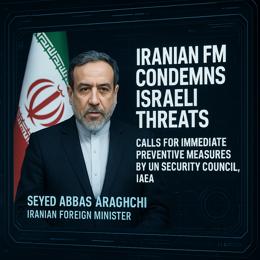
Iran's foreign ministry spokesman, Nasser Kanaani, articulated that the maneuvers were a "strategic mistake," asserting that they would only bolster the tensions and instability in the region and draw the US into deeper involvement.
The US action carries substantial risk. Iraq, pushing for months to negotiate the withdrawal of American troops, was informed beforehand of the impending US strikes. This prior notification notwithstanding, the incursion has ignited political pressures calling for an accelerated removal of US forces from Iraqi soil.
The Iraqi government spokesman Bassem al-Awadi expressed the nation’s strong opposition to being a battleground for proxy disputes. He emphasized Iraq's resolve to guard its sovereignty against external forces and reiterated that the US coalition’s operations had vastly exceeded their original mandate, thereby compromising Iraq’s security and dragging the nation into regional and international conflicts.
Adding fuel to the fire, Awadi alleged that while the US claimed to have consulted Iraqi authorities prior to the strikes, these assertions appeared deceitful, thereby inflaming public sentiment.
In a statement showcasing alliance solidarity, the British government labeled the US as a "steadfast" ally, backing Washington's right to respond to the attacks while continuing to deplore Iran's destabilizing activities in the region.
However, communication lines between Washington and Tehran seemed to have been restricted to indirect messages conveyed through intermediaries, indicating a stand-offish approach, especially with warnings that strikes on Iranian territory would not be received the same way as those on Syrian or Iraqi lands.
Rasool elaborated on the specifics of the strike zones within Iraq, underscoring the ramifications of the attacks, which are viewed as not only an infringement of Iraqi sovereignty, but also an act that fundamentally hampers Iraqi governance and threatens to pull the country—and region—into an abyss of unforeseen, catastrophic consequences.
The Iranian-supported factions in Iraq, sometimes referred to as the Islamic Resistance in Iraq, represent a coalition of at least six militia groups. Kataib Hezbollah, considered the most formidable and the purported orchestrator of the deadly drone strike against US forces, had recently announced a pause in its operations against US bases, a declaration met with skepticism by US Defense Secretary Lloyd Austin.
The current situation underscores the volatile nature of US involvement in the Middle East and presents a challenge for diplomacy and conflict resolution in a region fraught with tension.
Leave a Comment
Recent News