Content created by AI
Tensions Rise as Rapid Support Forces Threaten Wad Madani Amidst Sudan Conflict
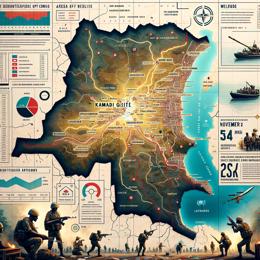
As the conflict in Sudan intensifies, the city of Wad Madani, harboring hundreds of thousands of displaced individuals, stands on the brink of being overrun by the Rapid Support Forces (RSF). On December 15, the sounds of combat startled the community, already burdened with the trauma of displacement, into grim anticipation of what may come if the RSF succeed in their assault.
Rumors suggest the possibility of looting, killings, and sexual violence if the RSF capture the city. Omonia Kheir*, a local woman from Wad Madani, encapsulated the pervasive dread among the population, asserting that people feared for the safety of their women and the spiritual defeat such violations might entail.
The RSF's near triumph in taking Wad Madani heralds a significant shift in Sudan's ongoing strife. This development comes against the backdrop of RSF leader Mohamad Hamdan "Hemedti" Dagalo's impending discussions with top army general Abdel Fattah al-Burhan intended to conclude hostilities, facilitated by the East African bloc IGAD.
Unfortunately, the RSF's actions stand in stark contrast to their leadership's diplomatic moves, as they allegedly spearhead a new humanitarian catastrophe. Evidence of panic is widespread, with residents, such as Kheir and her mother, witnessing mass exoduses driven by fear and desperation.
The crisis has dampened confidence in the Sudanese army, once perceived as a beacon of protection, especially concerning Wad Madani, a significant urban center and haven for the displaced. The unfolding events underscore a crisis of faith in the military's resolve.
Humanitarian responses are also shaken, with major organizations and the United Nations evacuating staff and suspending activities to avoid the chaos. Will Carter, the Norwegian Refugee Council's country director for Sudan, revealed that this decision was made to steer clear of RSF control, which might invite indiscriminate army airstrikes.
Wad Madani's strategic position as a conduit for aid operations accentuates the ramifications of its potential fall. The RSF's actions have obstructed humanitarian operations, which are critical for the afflicted population and already significantly hampered.
Moreover, reports of arbitrary arrests have emerged, indicating a trend of targeting based on dialect and ethnicity, raising concerns over the lawful conduct of armed entities and affirming the severity of ethnic tensions within the conflict.
One incident describes the experiences of a close friend of Justice Amad, a Sudanese activist in Australia, who narrowly escaped death following unlawful detention by the military. Such narratives suggest a grim pattern of excesses by military forces.
Despite repeated inquiries, army spokesperson Nabil Abdullah offered no comment on these allegations.
Responding to the crisis, local volunteers, notably resistance committees, have been furnishing aid to those in need, often acting more rapidly than established aid agencies. Ahmad al-Hassan, an activist, detailed how resistance committees are facilitating evacuations for the poor and vulnerable.
As masses converge on nearby Sinnar, they encounter a patchwork of local goodwill rather than overarching institutional aid efforts. Mohamad al-Gaali shared that, while institutional aid has been lacking, resident initiatives have offered some succor.
Yet, as Kheir concisely states, the generosity of local citizens can only do so much against the might of the RSF. After being uprooted from Khartoum and fleeing to Wad Madani, she and her family find themselves cornered by a lack of resources and infused with a desperate hope for deliverance.
*Names have been altered to protect individuals' identities.
#GOOGLE_AD
Leave a Comment
Recent News