Content created by AI
President Ramaphosa Emphasizes Caution in Reconfiguring South Africa's Diplomatic Relations with Israel
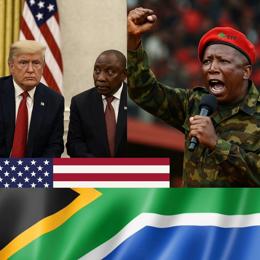
South African President Cyril Ramaphosa has reiterated the government's cautious approach regarding the country's diplomatic ties with Israel in the context of the ongoing conflict in the Middle East. The statement came after a meeting at the African National Congress (ANC)'s Luthuli House headquarters in Johannesburg with pro-Palestine groups on Monday.
The South African Parliament has witnessed a significant motion recently, one that appeals for the closure of its embassy in Tel Aviv. In alignment, it calls for Israel to dismantle its consulate in Pretoria. This motion has sparked intense debate within the National Assembly, polarizing opinions on whether South Africa should sever diplomatic relations with Israel entirely.
International Relations Minister Naledi Pandor stands by the motion to close the Tel Aviv embassy. However, she is wary of the implications that complete diplomatic disengagement might entail. In her address to the National Assembly, she articulated that severing all ties with Israel could be self-defeating. Pandor suggested that such a move might be more damaging to South Africa's interests than beneficial.
President Ramaphosa's comments reflect a similar sentiment of prudence. He accentuates the delicate nature of these issues, highlighting the need for thorough consultation before reaching a final decision. "They are of a sensitive nature, but in the end, once those consultations have been completed, we are duty-bound as a government to inform our people on what has been decided," President Ramaphosa stated.
Complicating matters further is South Africa's vocal position on the global stage concerning Israel's actions in the Palestinian territories. President Ramaphosa has expressed a firm resolve in ensuring that Israel is held accountable for potential war crimes by the International Criminal Court (ICC). This stand is consistent with the ANC's historical solidarity with the Palestinian cause and the broader South African commitment to human rights.
The ANC government's decision to engage directly with pro-Palestine groups demonstrates its intention to incorporate a diverse range of perspectives in its foreign policy. However, as South Africa navigates this international relations quagmire, the outcomes of these discussions and any resultant policy shifts hold significant weight. They will undoubtedly affect South Africa's diplomatic standing, trade relations, and reputation in the international arena.
This decision process reflects the country's larger commitment to moral diplomacy, one that aligns with South Africa's historical values and struggle against apartheid. The government's transparent and deliberative approach in re-evaluating bilateral relations with Israel also underscores the democratic ethos of inviting public consultation and input on matters of national importance.
In essence, South Africa's stance on its relation with Israel is not merely a diplomatic decision—it's a reflection of its historical context, its struggle for freedom and equality, and its ongoing role in advocating for human rights on the global stage.
Leave a Comment
Recent News