Content created by AI
Ramaphosa Unshaken by Polls and ANC Future Speculation
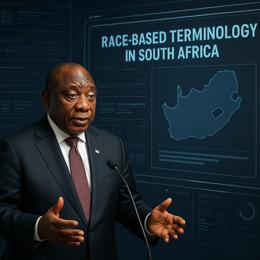
South African President and African National Congress (ANC) leader Cyril Ramaphosa recently addressed concerns regarding the party’s potential decline in the upcoming 2024 elections. While recent surveys insinuate a dip in support for the ANC and Ramaphosa himself, the president maintains a stoic disposition, emphasizing a hands-on approach to understanding public sentiment over reliance on abstract data.
Ramaphosa, who was speaking at the conclusion of the ANC’s 2019 manifesto review event, shrugs off the prognostications of pollsters, suggesting that there can be a disconnect between these predictions and the actual sentiments of the people. For Ramaphosa, the palpable "pulse of the people" gauged through direct engagement in townships and communities serves as his guiding metric, providing a more tangible and immediate reflection of the party’s standing with the electorate.
His comments come against a backdrop of rising anticipation surrounding former President Jacob Zuma's expected announcement about his political intentions, and a recent survey by the Social Research Foundation (SRF) indicating a preference for former President Thabo Mbeki over Ramaphosa. The SRF found that 57% of respondents viewed Mbeki favorably compared to Ramaphosa's 44.4%. Despite these findings, Ramaphosa remains unswayed, viewing the exercise of polling as somewhat subjective and not necessarily indicative of the broader political landscape.
Furthermore, the ANC leader addressed Thabo Mbeki's reluctance to campaign for the ANC, downplaying the seriousness of the issue and underscoring the party's determination to continue its work regardless of individual contributions.
While Ramaphosa acknowledges the challenges the ANC faces in the upcoming polls, which observers already deem to be the party’s toughest since the apartheid era ended, his unwavering faith in the ANC's ability to connect with its base suggests that he envisions a pathway to electoral success that hinges on genuine grassroots engagement rather than statistical predictions.
As South Africa approaches what could be a watershed moment in its democratic journey, Ramaphosa's determination to actively face the discontent and channel it into constructive dialogue underscores his approach to leadership—one that he hopes will resonate with voters as they assess the future direction of the nation.
#GOOGLE_AD
Leave a Comment
Recent News