Content created by AI
President Ramaphosa Highlights ANC’s Progressive Strides Post-Apartheid
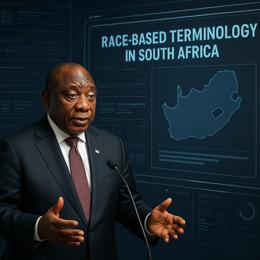
South African President Cyril Ramaphosa, during a recent wrap-up of the African National Congress’ (ANC) 2019 manifesto review, strongly disputed allegations that the living conditions during the apartheid era were superior to the present situation in the country.
Ramaphosa, addressing ANC members in the east of Johannesburg, refuted the narrative propagated by some detractors that little to no progress has been made since the country's shift from apartheid to democracy in 1994. He termed such statements as distortions and blatantly false.
"Our detractors have shown a lack of appreciation of what democracy has achieved under the ANC. They have resorted to distortions of facts and lies," stated Ramaphosa vehemently during the assembly. "The biggest being that nothing has happened since 1994 and that apartheid was even better than what we are going through now. And we all know that that’s a blatant lie."
The President underscored the country’s achievements under the ANC's leadership, citing statistics and reports from various independent institutions, including recent census data that validate the progress made over the years. Ramaphosa emphasized that these evidences firmly back his administration's claims of development.
As the ANC starts to shape its manifesto for the upcoming 2024 elections, President Ramaphosa utilized the platform to highlight the strides made in providing crucial services and amenities such as housing, land, electricity, and education to the South African populace. Despite facing an energy crisis, which has resulted in rolling blackouts negatively impacting the economy and leading to job losses, Ramaphosa held that the ability to provide electricity to 93% of South Africans remains an incredible accomplishment.
“We’ve basically given our people assets like housing. We’re also giving out land. Our people are now able to farm, whether it’s a small farmer or a smallholder, and these are assets that the ANC government is continuing to give to our people," Ramaphosa added, listing out tangible markers of progress enacted via the party's policies.
Confronting the education sector, President Ramaphosa boasted about the advancements in the system, proudly stating that South Africa stands as one of the few countries that do not charge school fees at the basic education level, an indication of the ANC’s commitment to bolstering human capital development.
These remarks are not only purposed to rebuke the false narrative of a better apartheid era but also reflect a calculated move to reaffirm public confidence in the ANC’s governance as the nation prepares to head into election mode.
The ANC’s track record and the current state of affairs are set against a backdrop of various challenges, including corruption allegations, service delivery protests, and the stark disparity still observable in various aspects of South African life. However, the rallying call from President Ramaphosa appears to be one of resilience and a focus on the bigger picture of progress and the upliftment of South Africans' living standards under the watch of the ANC post-apartheid.
Leave a Comment
Recent News