Content created by AI
President Ramaphosa Takes Charge in ANC-Ezulweni Debt Dispute Amid Legal Setbacks
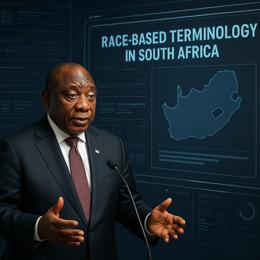
President Cyril Ramaphosa has recently intervened in a high-profile debt dispute involving the African National Congress (ANC) and Ezulweni Investments. With the ruling party reeling from a substantial R150 million debt owed for campaign materials, Ramaphosa has announced his plans to personally oversee the matter after the ANC's appeal was dismissed by both the High Court and the Supreme Court of Appeal.
During a tight-knit meeting with the national working committee (NWC), Ramaphosa, a lawyer by profession, proposed a thorough review of the evidence. After gaining insight from the party's legal representatives, he aims to evaluate the ANC's chances before the Constitutional Court, where an application to overturn the lower courts' orders has been lodged.
Despite the ANC's insistence on moving forward with the apex court bid, spearheaded by Secretary General Fikile Mbalula, the party faces stern criticism from the judiciary. Mbalula's public allegations of fraudulent contracts initiating during the 2019 elections appear to lack legal weight according to the courts.
In a denunciation of the ANC's tactics, Judge Trevor Gorven highlighted the shortcomings in the ANC's version of events. Described as 'uncreditworthy denials', the ANC's evidence was panned for failing to support genuine factual disputes. With accusations of junior staff members' unauthorized actions and whispered accounts of internal criminality, the party's governance issues come under a blazing spotlight.
Moreover, as the Umngeni mayor remarked, the ANC's current predicaments are hardly surprising given its weakened position in recent opinion polls. With general elections on the horizon, the ANC's internal renewal programs, sparked by state capture allegations in 2017, will face intense public and judicial examination.
President Ramaphosa's direct intervention marks a decisive turn in the party's approach to resolving its financial woes. With the integrity of the ANC's fiscal conduct at stake, such leadership action is necessary not only to navigate through legal entanglements but also to restore confidence in the party's transparency and governance.
This development arrives at a critical juncture for the ANC, as the party is desperately trying to combat public perceptions of financial mismanagement and reestablish its moral compass. As Ramaphosa delves deeper into the legal mire, the outcome of this debacle may have far-reaching implications for the ANC's financial stability and its political fortunes in the upcoming national elections.
Leave a Comment
Recent News