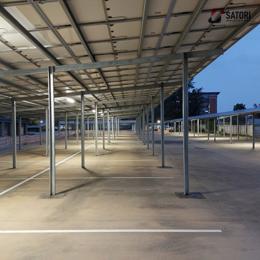
Image: AI generated for illustration purposes
Masdar's Solar Initiative in Angola: A Leap towards Sustainable Energy and Economic Growth
The United Arab Emirates, through Abu Dhabi Future Energy Company, more popularly known as Masdar, has positioned itself at the forefront of sustainable development in Angola with the ambitious commitment to develop a 150 megawatt (MW) solar power project. This initiative aims to harness the sun's abundant power to light up approximately 90,000 homes across the South African nation, simultaneously fuelling economic growth through job creation.
The agreement, inked at the significant COP28 climate summit, situates the Quipungo region in southern Angola as the future site of this pivotal ground-mounted solar power project. As part of this endeavor, Masdar and Angola's Ministry of Energy and Water entered into a concession agreement that allows the UAE company to construct and operate the facility, underscoring a shared vision geared towards environmental sustainability and social progress.
While fiscal specifics regarding the project remain undisclosed, it is clear that this is just a starting point for what promises to be a much larger collaboration. Earlier this year, Masdar had announced its aspirations to facilitate the development of a collective 5 gigawatts (GW) of renewable energy capacity stretching across key African nations, including Angola, Uganda, and Zambia.
Sultan Al Jaber, the COP28 president, hailed Africa as a potential renewable energy colossus, emphasizing the United Arab Emirates' commitment to working alongside its African counterparts. The goal is not only to catalyze a just energy transition but also to reinforce the notion of a united and all-encompassing push for action at the COP28—a summit renowned for its transformative environmental directives.
Angola's current national electrification rate lingers below the halfway mark, with a substantial portion of the populace still devoid of reliable access to electricity. With aspirations of elevating the national electrification rate to around 60% by 2025, Angola is turning to sustainable energy sources, such as solar power, to bridge the gap. The collaboration with Masdar represents a critical step in Angola's journey towards meeting this target, with renewable energy sectors presenting an optimal blend of ecological responsibility and pragmatic social strategy.
The Masdar solar project in Angola is more than an energy initiative. It is a symbol of empowerment and a catalyst for change, as it aligns with the broader vision of global energy transition and connecting remote communities to the modern world through sustainable means. Staying true to its vision, Masdar, with support from the UAE, is set to become a beacon of growth and innovation in Africa.
Leave a Comment
Recent News