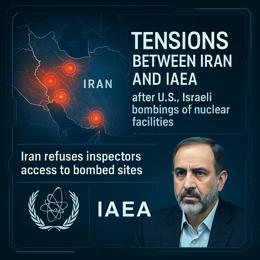
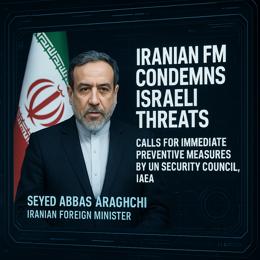
Image: AI generated for illustration purposes
Tensions Rise Amid Speculations of Iran Supplying Ballistic Missiles to Russia for Ukraine Conflict
As global attention fixates on the continued hostilities in Eastern Europe, a new dimension has come to light with the United States renewing caution over the possibility of Iran supplying Russia with advanced ballistic missiles to fuel the conflict in Ukraine. This development could signify a major turning point in military affiliations and impact diplomatic ties between Iran and the European Union amid the escalating war on Gaza.
In a statement that has ruffled feathers across international capitals, White House security spokesman John Kirby expressed concerns on Tuesday, shedding light on Iran's prospective step in bolstering Russian firepower by offering ballistic missile aid for deployment in Ukraine. Kirby outlined the barter on the table, suggesting that Russia’s offered incentives include "unprecedented defense cooperation," which ranges from sophisticated electronics to robust air defenses.
According to Kirby, Iran's wish list from Russia is extensive, with requests including billions of dollars worth of military equipment, from attack helicopters to radar systems, not to mention the advanced Su-35 fighter jets that Tehran has overtly expressed interest in acquiring. The narrative of Iran's arms support to Russia is further thickened by Western claims of Iran supplying hundreds of "kamikaze drones" used in the war, sparking a series of sanctions against Iranian individuals and firms.
These announcements have prompted analyses of the militaristic and strategic dimensions of such an Iran-Russia collaboration. Fabian Hinz, a military analyst at the International Institute for Strategic Studies, articulated the military logic underpinning Iran's rationale to dispense precision-guided ballistic missiles to Russia, despite Russia's indigenous arms capabilities facing shortages.
The timing of these speculations coincides with the lapse of several UN restrictions on Iran’s missile program, part of the faltering 2015 nuclear deal with world powers. This could remove previous legal obstacles and signal a potential uptick in Iran's munitions transfers without the hindrance of UN oversight.
Furthermore, Iran’s demonstrated prowess in missile technology - showcased through their exhibitions in Moscow and Tehran, observed by Russian Defense Minister Sergey Shoigu - positions Tehran as a pivotal weapons supplier. The demonstrated precision and reliability of Iran’s Ababil and Fateh missile varieties could offer Russia a significant strategic advantage in the theatre of war against Ukraine.
Nonetheless, Abdolrasool Divsallar, an adjunct professor at Universita Cattolica, suggests that Tehran’s decision calculus remains cautious, particularly considering its delicate engagement with European actors over conflicts such as Israel’s actions in Gaza. The reluctance to exacerbate relations with the EU, strategic leverage considerations between Iran and Russia, and the geopolitical sway of Persian Gulf states all act as deterrents against any immediate policy shifts in arms provision.
Amid the strategic posturing and diplomatic tightrope walking, the prospect of Iran providing ballistic missile support to Russia represents a complex overlay of military might, geopolitical strategy, and the intricacies of international diplomacy. The final decision from Iran will invariably have profound implications for the global political landscape, standing at a critical juncture that may redefine allegiances and the balance of power in these contentious times.
Leave a Comment
Recent News