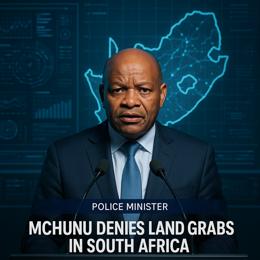
Image: AI generated for illustration purposes
Rampant Pre-election Looting Threatens South Africa’s Financial Stability, OUTA’s Duvenhage Warns
The Organisation Undoing Tax Abuse (OUTA) has sounded an alarm over what it describes as an unprecedented looting spree by government officials keen on exploiting the national coffers before the upcoming national elections. Speaking with BizNews, OUTA CEO Wayne Duvenhage painted a grim picture of systemic corruption that has not only brought South African Airways (SAA) to its knees but also risks derailing the country's financial stability unless tackled head-on.
A recent report by the Special Investigation Unit (SIU) submitted to Parliament revealed extensive maladministration and outright theft within the state-owned enterprise SAA. Duvenhage states that this is indicative of a broader issue that extends well beyond SAA, engulfing several government institutions, including attempts to overhaul procurement and management of key infrastructure like oil and power, and mishandling of the National Student Financial Aid Scheme (NSFAS).
In light of the forthcoming Anti-Corruption Week, there has been pronounced discourse from President Cyril Ramaphosa on the government's commitment to combating corruption. However, Duvenhage voices skepticism about the president's resolve, attributing Ramaphosa’s perceived inaction to a weakness and a reluctance to hold his inner circle accountable—a hesitance that could see key political figures implicated and potentially facing jail time.
Civil society organizations are now shouldering the responsibility of safeguarding the state's finances, with the finance minister's declaration that South Africa is effectively bankrupt reflecting the dire consequences of continued misappropriation of funds. This, according to Duvenhage, means that without tackling the rampant malfeasance, South Africa will struggle to realize economic recovery.
The role of Parliament in response to the SIU report is also critical. Duvenhage argues that lawmakers must shift from complacency to proactive scrutiny, urging Parliamentary committees, particularly the Standing Committee on Public Accounts (SCOPA), to press the executive branch for accountability and to ensure that the law enforcement agencies tasked with fighting corruption are sufficiently resourced.
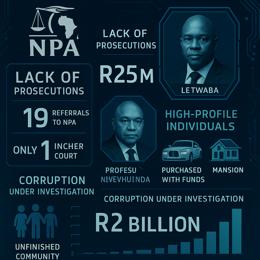
The lack of capacity within institutions like the National Prosecuting Authority (NPA) severely hinders the country's legal system from effectively prosecuting offenders. Duvenhage speaks to the necessity of equipping the NPA with the requisite skillset and financial support needed to conduct complex forensic audits and expedite court processes. This would ensure that those accused of corruption face the full might of justice, rather than continuing to enjoy impunity.
With such disconcerting developments across various levels of government, OUTA's call to action is not just timely but crucial. The incapacity or reluctance to address deep-seated corruption not only undermines South Africa's democratic institutions but also its economic future. As the country heads towards what promises to be a contentious election, the urgency to reform cannot be overstated.
Leave a Comment
Recent News