Image: AI generated for illustration purposes
The Tale of the Phantom: Former Lottery Boss's Luxury Ride and the Foregone Forfeiture
South Africa's fight against corruption took an unexpected turn as the National Prosecuting Authority (NPA) dropped its preservation order on a luxurious Rolls Royce Phantom once owned by former National Lotteries Commission (NLC) board chair Alfred Nevhutanda. The reality of proceeds of crime intersecting with unsuspecting new owners has put a spotlight on the intricacies involved in the legal system's ability to tackle money laundering and seize assets tied to unlawful activities.
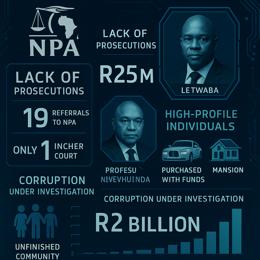
It all began with a snapshot of the lavish lifestyle led by Nevhutanda, spotlighted by a conspicuous emblem of wealth: a R6.3-million Rolls Royce Phantom. The vehicle became a focal point of the Asset Forfeiture Unit's (AFU) investigations after revelations surfaced about the dubious origins of funds used for its purchase. Nearly R4.6 million of the vehicle's cost was allegedly funneled from Lottery grants meant for charitable work. The Pretoria High Court took swift action, freezing the vehicle in September, with the die seemingly cast for the fate of this ill-gotten luxury automobile.
However, the course of justice can often be as unpredictable as it is winding. Enter Rirhandzu Owner Siweya, CEO of a mining company and the current owner of the Phantom. Siweya, the NPA claims, was an innocent purchaser, having bought the car using dividends and without knowledge of its nefarious past. Gauteng NPA spokesperson Lumka Mahanjana detailed that Siweya had paid a fair market price and thus, in the eyes of the justice system, it did not make sense to continue pursuit of the Rolls Royce.
This twist in the tale raises several poignant questions about the struggles facing law enforcement agencies in asset recovery when those assets pass into the hands of third parties. The essential aim of the AFU to disrupt crime by seizing assets is complicated when the link between the asset and the crime becomes tenuous in the legal sense, despite being clear in practice.
The backstory of the Rolls Royce is enmeshed in a web of theft, corruption, and fraud. The vehicle changed hands several times after its purchase by Nevhutanda, at one point being owned by Pcubed Exotica—a company with its own brushes with scandal. Its direct financial connections to Nevhutanda and his mansion, funded in part by Lottery grants, only added to the murkiness of the affair.
As with any story of corruption, there were multiple players and complex transactions. Daytona Motors, the Sandton dealership involved in the sale of the Phantom to Nevhutanda, found itself caught in the quagmire. The dealership's lawyers insisted on their compliance with statutory regulations, yet questions lingered regarding their requirements to scrutinize and report based on Nevhutanda's status as a politically exposed person.
The tale of Nevhutanda's Rolls Royce serves as a case study in the difficulties of dismantling financial crime. The intricate narrative combines alleged misappropriate use of Lottery funds, suspect transactions, and the challenge of recouping assets once they have circulated past the confines of the crime's participants.
For the NPA and the AFU, the luxury vehicle's return to the spotlight was brief as the preservation order lifted and it wheeled out of the public eye. But the underlying issues, especially around luxury car sales and financial oversight, persist and point to the necessity for tighter controls and more vigilant enforcement. The case also underscores the importance of persistent journalism in bringing such stories to light and holding the powerful accountable.
The South African public, betrayed by the misuse of funds meant for noble causes, has witnessed another chapter close in the continuously unfolding narrative of corruption. The road to restitution and justice is long, and each twist reveals more about the challenges that lie ahead.
Leave a Comment
Recent News