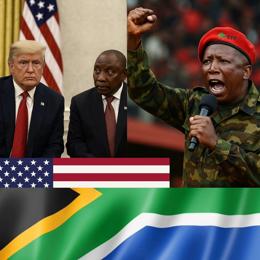
Image: AI generated for illustration purposes
South Africa Urges ICC to Act Against Israeli Prime Minister Netanyahu Amid Gaza Conflict Accusations
Amidst the echoes of a humanitarian and political uproar, the South African government has taken a definitive stance by urging the International Criminal Court (ICC) to arrest Israeli Prime Minister Benjamin Netanyahu. On Monday, the clarion call was made for the ICC to issue an arrest warrant by mid-December, indicating a significant diplomatic escalation as South Africa directly challenges Israel's leadership and the international community's response to events in Gaza.
Minister in the Presidency Khumbudzo Ntshavheni expressed concern about the consequences of inaction, stating that a failure by the ICC to respond accordingly would mark a "total failure" of global governance systems. South Africa's strong statement comes amidst reports of high casualty rates following an attack in Gaza by Hamas on October 7, which Israel contends was an act of self-defense. The South African government, however, decries Israel's retaliation in Gaza as "genocide."
This label comes against the backdrop of the Gaza's Hamas-run government's reports, which allege a death toll of at least 13,000 Palestinians due to Israeli bombardments, with a staggering 5,500 of the victims being children. These numbers, though contended by various sources, paint a grim picture of the devastation unfolding in the region.
South Africa's stance is not an isolated one. Alongside four other countries, it has taken the proactive measure of submitting a referral to the ICC, urging an investigation into the potential war crimes and crimes against humanity committed in the Gaza Strip. These developments indicate an escalated scrutiny of Israel's military operations, potentially leading to serious implications under international law.
South Africa's identification with the Palestinian cause is well-documented and long-standing. This was exemplified by the recall of its ambassador and diplomatic staff from Israel on November 6, a move illustrative of its disapproval and a precursor to the current push for legal action against Netanyahu.
In a reciprocal response to South Africa’s stance and Minister Ntshavheni's statement, Israel took a diplomatic counteraction by recalling its own ambassador in Pretoria. The Ministry of Foreign Affairs of Israel, seemingly in anticipation of such proposals, promptly issued a statement on Monday night revealing that its envoy was summoned for consultations in Jerusalem.
This latest development is indicative of the rising diplomatic tensions between South Africa and Israel, as both nations' governmental stances reflect an underlying and profound geopolitical schism. The geopolitical implications of this call for legal action are vast, with potential ripple effects that may affect international relations and the workings of the ICC.
South Africa's resolution and advocacy for what it views as justice in the context of the Gaza conflict are set to further spark debates on the role of the International Criminal Court in global conflicts, the accountability of state leaders for acts committed by their militaries, and the boundaries of defensive actions by sovereign states.
As the world watches, the onus is now on the ICC to respond to these assertions and take a position that could either affirm or reject South Africa's claims. The outcome will likely forge impactful precedence in the arena of international criminal law and state accountability.
#GOOGLE_AD
Leave a Comment
Recent News