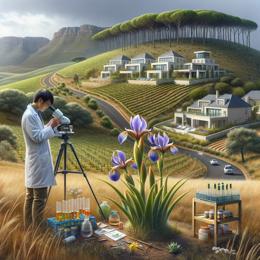
Image: AI generated for illustration purposes
NASA Takes to the Skies to Illuminate Western Cape's Biodiversity
Cape Town's fynbos-speckled expanses and vibrant marine ecosystems are under the scientific spotlight as NASA aircraft buzz overhead, tasked with unravelling the complexities of the Western Cape's biodiversity. The BioSCape project, a groundbreaking initiative combining satellite, airborne data, and field observation, is leading an ambitious endeavor to dissect and document the Greater Cape Floristic Region's (GCFR) ecological wealth, thanks to the collaboration between the US National Aeronautics and Space Administration (NASA), South Africa's National Research Foundation (NRF), and the University of Cape Town (UCT).
The organization's effort, which commences in the heart of one of the world's most biologically diverse regions, aims not only to map and quantify its natural splendor but also to derive critical understanding of the environment's functionality and significance. It's an approach that recognizes not just the intrinsic beauty and rarity of the Cape's flora and fauna but their contribution to humanity's well-being.
Dr. Jasper Slingsby of UCT has emerged as a leading voice, emphasizing the monumental potential outcomes of BioSCape. With his guidance, the project promises to equip scientists, policymakers, and conservationists with unprecedented insights into biodiversity distribution, ecological roles, and the effects of shifting global climates. This project addresses core questions surrounding biodiversity: its current status, operational roles, and broader significance to ecosystems and human communities alike.
The endeavor's timing is crucial, nested within a period of acute global ecological upheaval. Climate change presents a formidable threat, altering the destiny of countless species and habitats. BioSCape's objective to better comprehend these shifts is not merely academic; it holds the promise of informing robust, effective conservation methodologies that align with the evolving environmental paradigm.
In step with BioSCape's ambitious scientific mission, Dr. Mary-Jane Bopape of the NRF's South African Environmental Observation Network (NRF-SAEON) expresses pride in the nation's integral role in spearheading advanced biodiversity research. The NRF's commitment to collating and applying the data harvested stands as testament to South Africa's dedication to the stewardship of its unparalleled natural heritage.
The meticulous planning and execution of the BioSCape project extend over three years, with the zenith of data collection pinpointed during the southern hemisphere's spring—when nature's own canvas is at its most revealing. As the NASA aircraft, equipped with state-of-the-art imaging spectroscopy, course through the skies from mid-October to mid-December 2023, they will relay a stream of vital information essential for both the immediate and longer-term future of Western Cape's ecological treasures.
In sum, BioSCape is a beacon of scientific, environmental, and technological collaboration, illuminating paths not only for regional environmental management but also setting precedents for global biodiversity research. As the project unfolds, the world watches eagerly for the revelations that will emerge from the Western Cape's natural mosaic—a narrative of diversity, resilience, and ecological interconnectedness that BioSCape aims to narrate with newfound clarity.
Leave a Comment
Recent News