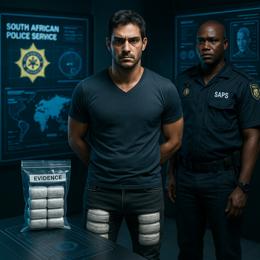
Picture: AI generated image for illustration purposes
Major International Drug Trafficking Syndicate Thwarted as Arrests Span Four Continents
In a significant blow to international drug syndicates, South African Hawks, in collaboration with global law enforcement agencies, have arrested five individuals at OR Tambo International Airport (ORTIA). These arrests are tethered to a series of global interdictions spanning from Turkey to Australia, indicating a consolidated effort to dismantle a far-reaching narcotics network.
The South African suspects, nabbed in a high-stakes operation on November 15, 2023, are alleged employees of various airport service companies, accusingly facilitating the transport of illicit drugs. These arrests are directly connected to the earlier seizure of a cocaine consignment in Sydney, purportedly valued at R500 million, which had been smuggled via a passenger plane departing from South Africa. The depth of this operation signals a landmark first; a drug capture overseas has now been successfully traced back to confederates on South African soil.
This nexus of criminal activity throws a spotlight on the complexity of transnational drug operations. The Australian Federal Police (AFP) had been doggedly pursuing this case since the previous year, after airline reports of suspicious actions at ORTIA spawned a full-scale investigative response. The unraveling of these plots stands testament to the eye-opening insight into cargo and baggage handling sectors – presenting as Achilles' heels for aviation security, vulnerable to exploitation by organized crime.
In this intricate web, Hakan Ayik emerges as a critical figure. Not only associated with drug trafficking from South Africa but also with distributing encrypted communication devices, some intercepted by the FBI for covert monitoring. Ayik's arrest in Turkey, alongside a crackdown on an outlaw motorcycle gang, reveals a broader picture of a criminal expanse with threads leading back to South African origins.
A historical perspective aids in the understanding of how this is not an isolated episode; similar episodes have etched themselves into the annals of South African-Australian narcotic exchanges. As illustrated in the book "Clash of the Cartels," former Qantas baggage handlers Damion Flower and John Mafiti were prosecuted for equivalent misconduct involving the smuggling of cocaine on flights from Johannesburg to Sydney.
The international dimensions of this story are bolstered by related arrests in Lebanon and the comprehensive efforts by New South Wales police to dismantle an international criminal syndicate. This multi-jurisdictional pursuit has already yielded significant seizures of firearms, drugs, luxury goods, and a sizeable sum of money, painting an alarming portrait of the syndicate's resources and reach.
These cases are a stark emblem of the ongoing war against drug trafficking, the vulnerabilities in aviation security, and the interconnected nature of global criminal networks. The hopes for a continued, coordinated international response in combating such syndicates remain high in the wake of these recent successes.
Leave a Comment
Recent News