Picture: X
Elon Musk's 'Free Speech Absolutism' Pose Potential Threat to South African Democracy
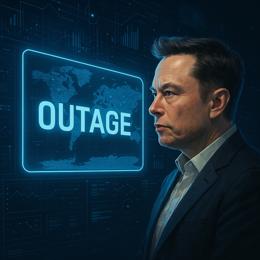
Renowned author Walter Isaacson's exclusion of analysis on Elon Musk's upbringing in apartheid South Africa in the 1980s from his latest biography has implications that veer into the realm of world politics, and more pronouncedly, the upcoming elections in South Africa. Here at home, the absence of content moderation on Twitter, a prominent platform now known as X/Twitter, poses a peculiar threat.
This concern gains weight as we reflect on key historical touchstones. Born in 1971 in Pretoria, it is highly improbable that Musk was oblivious to the challenge against apartheid spearheaded by Helen Suzman, a solitary voice in opposition during a 13-year period. Suzman, despite enduring torrents of abuse, found protection and platform to voice her opposition.
Musk's claim, that he’s a free speech absolutist, raises a point about the potential damage amplified voices can inflict on the democratic process. The severity of this approach is cited in the works of Princeton academic Dr. Zeynep Tufekci, who states that modern censorship is not silencing speech, but manipulation of trust and attention via viral or coordinated harassment campaigns, resulting in an overwhelming cost on voices of dissent.
As South African elections draw near, scapegoating and misinformation campaigns have surfaced, often target at migrants, NGO’s, long-lasting apartheid effects, and the judiciary, all to justify failure in governance. X/Twitter, particularly, has been a haven for such orchestrated campaigns drowning out counter-narratives with intimidation and fallacies.
Efforts to counter this trend, such as Real411, a local initiative working with the Electoral Commission, see their recommendations for the removal of false or harmful content on X/Twitter disregarded.
The situation took a worrying turn with Musk's takeover of Twitter, as he downsized content moderation resources and staff, even shutting down the platform’s only Africa office. Musk's inflexibility is seen in his refusal to adhere to California's law on platforms reporting content moderation policies. Furthermore, Musk is alleged to have halved X/Twitter’s election integrity team; a move that could undermine the potential for a democratic dialogue as South Africa moves towards its elections next year.
This all raises the question of the potential toll Musk's 'free speech absolutist' stand could have on countries such as South Africa, where sound reason and open discourse form the bedrock of its nascent democracy.
Leave a Comment
Recent News