Image created by AI
Cape Town's Battle with Fire: Managing Growth Amidst a Fire-Dependent Biome
Cape Town, a city cherished for its scenic Table Mountain chain and the sprawling national park that intertwines with the urban landscape, is at a critical juncture. Balancing city expansion with environmental conservation and fire risk management in the fire-dependent Cape biome presents a formidable challenge that grows with each passing year. The city's development, both formal and informal, has gradually eroded buffer zones within the park, heightened by densely packed suburbs encroaching on the natural terrain. This delicate wildland-urban interface is increasingly susceptible to fire hazards, threatening life, property, and the Fynbos's ecological integrity.
The city's growth in a Fynbos-rich region is a paradoxical reality; this plant species requires fire to rejuvenate yet fuels the very hazard it needs for renewal. A delicate cycle of regeneration is in danger as the biome grows senescent without periodic fires, turning into a tinderbox awaiting ignition. Recent blazes tearing through aged, woody Fynbos underscore the urgency for controlled burns—actions often stalled by authorities due to environmental health concerns. The implications are dire: unmitigated wildfires lead to greater carbon emissions, air pollution, and damage, compared to the impacts of carefully managed burns.
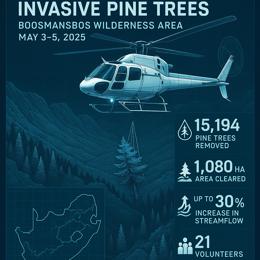
In a post-forestry era, invasive species infestations proliferate, demanding urgent attention. Efforts to eradicate these species and use the resulting biomass, such as in the promising yet underutilized biomass insulated concrete technology, is a poignant example of innovation lurking in bureaucracy's shadows. The reallocation of cleared biomass could not only reduce fuel loads but also contribute to fire-resistant construction, marking a poignant success in integrated land management and business innovation.
Moreover, the city's history with cultural landscapes, like the Groote Schuur Estate and Tokai Forest, both lost to fire, amplifies the call for better land stewardship. The conflagrations revealed a neglected countryside where yearly maintenance like firebreaks and land clean-up could have mitigated catastrophic loss.
Amidst all these intricacies lies a human element; the city's most vulnerable denizens living within the park's bounds, requiring a twin response of social support and regulatory oversight, have not been fully addressed. Ritualistic fires by religious groups add to the challenges SANParks and city authoritiesmust address through community engagement and education initiatives. Such efforts are curtailments to potential wildfires, ensuring safe use of natural sanctuaries without encroaching on environmental safeguarding strategies.
Regrettably, UNESCO-endorsed buffer zones, established to preserve the Fynbos' genetic integrity, are shrinking, painting a grim picture of biodiverse deterioration and heightened fire risks. As Cape Town evolves and the climate shifts, the city must boldly reimagine its approach towards uninterrupted urban development and nature conservation—prioritizing education and prevention as much as active land management and emergency response.
The city teeters on a precarious edge with climate change's growing embers; this defining moment is a rallying cry for collective action. As residents urge authorities for accountability, change must also spark within communities. Residents bear responsibility to fireproof homes and prevent negligence that could spell disaster. Transitioning from reactive to proactive stances, we must embellish this ecosystem with the respect and care it necessitates, rejecting complacency as the normative response to preventable crises.
Leave a Comment
Recent News