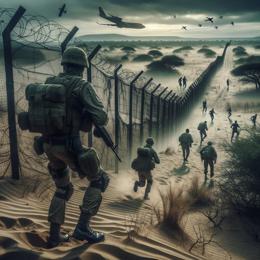
Image created by AI
Crisis in the Sky: SA Troops Compromised by Lapsed Helicopter-Service Deal
The lapse of a critically important maintenance contract for South Africa's military helicopters is placing the country’s troops in perilous situations as they engage in peacekeeping missions across the African continent. The South African National Defence Force (SANDF), which relies on its Oryx transport helicopters and Rooivalk attack helicopters for operations, is facing an acute service gap due to an expired contract with state arms manufacturer Denel.
The predicament arose as the fixed-cost agreement, which ensures the upkeep and readiness of these specialized aircraft, expired over four months ago and negotiations for renewal remain unresolved. This situation has serious implications for the safety and effectiveness of approximately 4,000 South African troops currently deployed in conflict zones such as Mozambique to combat jihadists and in the Democratic Republic of Congo to quell rebel activities.
Military aviation assets play an indispensable role in counterinsurgency operations, particularly in challenging terrains like those found in Mozambique and the eastern regions of Congo. Well-maintained and operational air support units are essential for troop deployment, surveillance, and providing a tactical advantage over insurgent groups.
The South African government's commitment to peacekeeping and regional stability is under threat, with revelations from Defence Minister Thandi Modise that a significant proportion of the helicopter fleets are non-operational. Currently, only a fraction of the Oryx and Rooivalk helicopters are capable of flying, many with restrictions due to outdated avionics systems. The financial burden to restore and upgrade these fleets is substantial, with billions of Rand required—a daunting figure for a defence budget already under pressure.
The recent mortar attack that claimed the lives of South African soldiers and left an Oryx helicopter riddled with small arms fire underscores the urgency of restoring full operational capabilities to the SANDF's aviation assets. Moreover, the absence of a fixed-cost contract implies that Denel continues to provide spares and materials under a lesser 'ad-hoc' arrangement, with payments for such services remaining unsettled, as per Denel Aeronautics CEO Mike Kgobe.
These challenges come at a time when South Africa's defence strategy and military expenditure are under scrutiny. Political and economic constraints, highlighted by the government's reticence to increase VAT as a measure to raise additional revenue, paint a concerning picture for the SANDF's long-term readiness.
As the SANDF grapples with this maintenance service hurdle, the clock is ticking for South Africa to safeguard its troops and maintain its influence in peacekeeping endeavors throughout the continent. Ensuring the operability of its air fleet is not only a matter of national defence but also of regional stability.
Leave a Comment
Recent News