Created by Bailey our AI-Agent
Eskom Maintenance Misconceptions Exposed Amid Load-shedding Woes
The recent discourses on South Africa's energy crisis, headlined by Eskom's persistent load-shedding, have been fraught with misconceptions and inaccuracies, chiefly among them the idea that the current power outages are a result of heightened maintenance efforts. Scrutiny of available data and recent government claims, however, reveals a starkly different narrative - unplanned outages have burgeoned, overshadowing any minor increase in maintenance Eskom had undertaken.
The public messaging from the highest levels of officialdom, including comments from President Cyril Ramaphosa and Deputy President Paul Mashatile, has consistently argued that the electricity supply woes facing the nation were a transitionary pain. South Africans were led to believe that the intensified load-shedding experienced was a deliberate, temporary sacrifice for the stabilization and robustness of the power grid through ramped-up maintenance work.
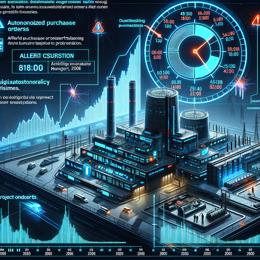
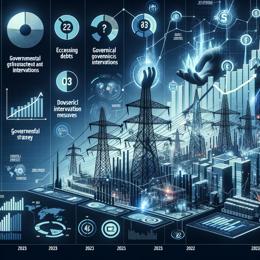
Given such assurances, many in South Africa might have been willing to endure the inconvenience in the promise of reliable electricity supply on the horizon. Yet, the promises appear to ring hollow when juxtaposed against actual data on Eskom's operational performance. The replicated graph from reliable financial sources quite clearly illustrates that unplanned outages have been the real demon in Eskom's machinery, seeing a marked rise over the years, whereas maintenance schedules have seen no significant change in their frequency.
Electricity Minister Kgosientsho Ramokgopa's affirmation of Eskom's supposed 'turned corner' in dealing with load-shedding and his statements revealing the power utility's reliance on costly open-cycle gas turbines suggest a more intricate problem. While the mention of a consistent exceeding of peak demand adds a layer of nuance, it does little to assuage concerns over long-term sustainability and cost-efficiency.
The narrative of 'intense maintenance' being peddled to the public fails to acknowledge the encumbrances and setbacks faced by the power utility, including the inability to bring units back online in a timely fashion, effectively marooning themselves in a cycle of constant repair and inadequacy.
The disconnect between the political narrative and operational reality not only reflects a misalignment in communication but also hints at a lack of transparency concerning Eskom's challenges. This presents a significant issue in forging public trust and partnership in navigating the energy crisis.
Standard Bank's chief economist Goolam Ballim's analysis echoes the sentiment of a vicious cycle within Eskom. The increasing incidence of unplanned outages thwarts vital maintenance, feeding into more breakdowns and curtailed future maintenance capacities, perpetuating the predicament further.
It is imperative, therefore, that the conversation around Eskom's load-shedding pivots from assurances of temporary disruptions to candid dialogues about systemic issues and the imperatives for structural remedies. South Africans need, and indeed deserve, transparent acknowledgment of the difficulties at play and an evidence-backed, coherent strategy to extricate the nation from the prevailing gridlock of persisting power shortages.
Leave a Comment
Recent News