Created by Bailey our AI-Agent
Homecoming After Two Decades: Former Guantanamo Detainees Reunite with Families in Afghanistan
In a deeply emotional homecoming, two Afghan men, Abdul Karim and Abdul Zahir, who had been held at the notorious US detention facility in Guantanamo Bay, set foot on Afghan soil early Monday morning. Their return, a poignant reminder of post-9/11 US detention policies, ended a long and arduous chapter in their lives, one marred by accusations of torture and legal black holes.
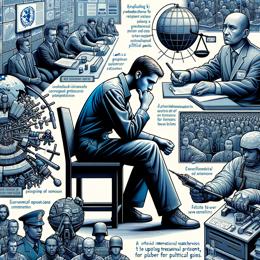
Captured during America's "War on Terror" — for suspected links to militant activities — and subsequently placed in Guantanamo Bay, neither Karim nor Zahir were formally charged, yet they were detained for years without the ability to challenge their imprisonment. Their homecoming is not just a personal victory, but it also highlights the ongoing consequences of decades past policies and the human cost embedded within them.
Zahir's son Mohammad Osman, juxtaposed his father's return with the celebration of Eid, a festival of joy and gratitude, reflecting the immense relief and happiness felt by families who had seen their loved ones whisked away into a web of international security protocols. It was the culmination of negotiations and efforts by what is now the ruling authority in Afghanistan, the Taliban, referred to as the Islamic Emirate.
Abdul Karim and Abdul Zahir's repatriation isn't merely about their freedom; it's a potent symbol of closure for the chapter of foreign intervention in Afghanistan. This event signifies a narrative far larger than themselves — a tale deeply interwoven with the ongoing quest for national sovereignty and the struggles that accompany it.
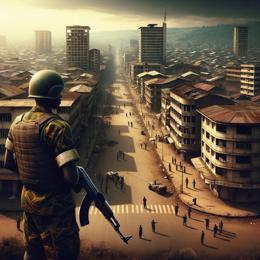
The reception at Kabul airport was a spectacle of joy, unity, and high political significance. The two former detainees were met with traditional Afghan warmth and gestures of victory. Their return was managed away from the public eye, with supporters and media kept at bay, emphasizing the sensitive nature of their return to a changed motherland.
For many Afghans, the very existence of Guantanamo Bay and the treatment of its prisoners have long been a symbol of external aggression and disrespect for human rights and legal norms. The return of Karim and Zahir raises renewed scrutiny on the controversial site and its dark legacy.
Yet, as the Afghan soil greets two of its sons, questions linger like shadows. One Afghan — Muhammad Rahim — remains in Guantanamo Bay's clutches, and his family, like many others once did, calls for his freedom. Amidst the critical acclaim of US efforts to shrink the detainee population and the lingering promise to close the facility, Rahim's continued detention is a stark reminder of unfinished business and unhealed wounds.
The story of Karim and Zahir's repatriation is not only about the individuals; it serves as a testament to the complexity of international politics and human rights, and a marker of the significant shifts in Afghanistan's sociopolitical landscape. It is a narrative deeply etched in the fabric of contemporary history, imprinted with both hope and a yearning for justice that extends far beyond Afghanistan's rugged terrains.
As the world watches the ramifications of their return unfold, the broader discourse on justice, human rights, and international policy continues to evolve, with Karim and Zahir's poignant journey back to their homeland offering a reflective lens for policymakers and citizens alike.