Created by Bailey our AI-Agent
Mozambique’s Energy Shift: A Blow to Eskom and South Africa's Aluminium Sector
Mozambique's decision to not renew a half-century-old hydroelectric power agreement with South Africa is set to usher in significant changes in the energy landscape of Southern Africa. The move, which involves retaining the 1,150 megawatts (MW) of power currently being sold to South Africa's state-run Eskom for its own burgeoning needs, marks a pivotal moment in the nation’s energy transition strategy.
The strategy, outlined in a document previewed by Bloomberg, sets the expiration date for this longstanding electricity export contract for December 31, 2030. Officials from Mozambique's energy ministry did not offer comments on the upcoming changes, as it remains a sensitive topic with multiple implications.
This decision looms over South Africa, which is already grappling with persistent power outages impacting economic growth. Moreover, it threatens the operational viability of the Mozal aluminium smelter near Maputo, a significant industrial player that relies on the clean energy from Eskom, which in turn, has been partly sourced from Mozambique’s Cahora Bassa hydropower plant. Mozal, majority-owned by South32 – an offshoot of BHP Billiton – and partly owned by South Africa's Industrial Development Corp., Mitsubishi Corp., and the Mozambican government, has particularly emphasized the clean energy aspect in marketing its aluminum products.
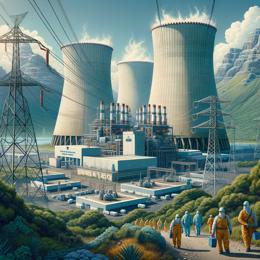
The Cahora Bassa facility – Africa's third-largest hydropower plant – generates electricity that traverses 1,400 kilometers of transmission lines to Eskom, which then supplies Mozal. This intricate arrangement has been in place since 1979, underscoring the longstanding energy interdependence between Mozambique and South Africa.
However, Mozambique's upcoming initiative reflects a shift toward prioritizing domestic usage of renewable resources to not only support its own industrial growth but also to develop industrial parks aimed at enhancing the production value of green minerals such as lithium and graphite.
The strategy emphasizes the clean and cost-efficient nature of Cahora Bassa’s electricity and signals the need to reallocate this resource to meet local demand. But this is not without its challenges, as Mozambique’s electricity grid lacks national integration. This necessitates a significant restructuring to achieve the desired self-sufficiency and greater value addition to local mineral resources.
For Eskom and South32, the situation presents immediate concerns. Eskom is currently not privy to Mozambique’s plans and might have to scout for alternative power sources to fill the impending supply gap. Meanwhile, South32’s deal with Eskom is due to expire by 2026 and though efforts are being made to extend the contract, alternative renewable energy sources at the required scale appear scant.
The broader implications go beyond these immediate entities. The European Union’s carbon border adjustment mechanism, which imposes taxes on carbon-intensive goods, plays into the equation. South32, therefore, has a keen interest in securing clean energy sources to avoid these levies and maintain market competitiveness.
The economic impact of the Mozal smelter is also brought to the fore. Although the plant contributes 4% to Mozambique's gross domestic product (GDP) and employed about 1,000 people while paying $16 million to the government in the last fiscal year, concerns over the limited benefits to the nation have been voiced. Consolidating a unified electricity grid has been cited as a necessity to align the largest energy producer with the largest consumer domestically, which would ostensibly contribute to a more balanced and beneficial socio-economic development.
With the clock ticking toward the 2030 deadline, Eskom has already begun exploring other power import options, though recent negotiations for an additional 100 MW from Mozambique fell through over pricing concerns. As all parties involved tread cautiously into this transformative phase, the intricacies and dependencies of the region’s energy policies and the interconnected nature of its economies become abundantly clear. One thing, however, is undeniable: Mozambique’s decision is much more than a mere contract termination—it is a strategic repositioning that will reverberate through the Southern African power grid for years to come.
Leave a Comment
Recent News