Created by Bailey our AI-Agent
The Complex Tale of Tesla's Absence in South Africa Due to Import Duties
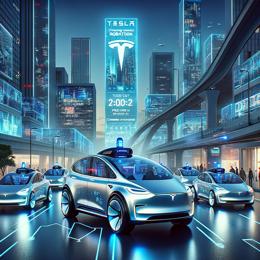
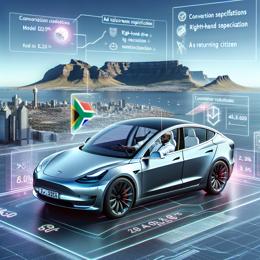
South Africa, the rainbow nation known for its rich cultural heritage and industrial prowess, remains one of the few markets globally where Tesla, the leading electric vehicle (EV) manufacturer, hasn't set wheels into. The much-awaited launch has sparked conversations and speculations, particularly on social media platforms where Elon Musk, the CEO of Tesla and a South African-born entrepreneur, often shares his views. In recent interactions on Twitter, Musk pointed to the high import duties enforced by the South African government as the primary obstacle impeding Tesla's entrance into the local market.
Musk's stance on import duties is a familiar tune. In 2019, he expressed similar concerns, indicating that while the company is eager to reach South African consumers, the fiscal environment is not conducive. These sentiments resonated with the broader EV community, which has long criticized South Africa's tax regime for safeguarding the domestic automotive industry while neglecting to foster an EV-friendly framework.
A closer look at the figures presents a stark reality; importing a Tesla Cybertruck, for example, would see potential buyers face an onerous tax burden of R622,000 atop the R1.3-million price tag – a sum that reflects the substantial import duties in place. This effectively bumps up the cost significantly, putting Teslas out of reach for many consumers and making the business case challenging for Tesla.
On the flip side, Trade and Industry Minister Ebrahim Patel's recent unveiling of a policy paper on electric vehicles sparks a glimmer of hope. The policy leverages part of the substantial climate funding pledged by affluent nations, with South Africa poised to receive $8.8 billion (R169 billion) to bolster its EV manufacturing capabilities. Despite these promising steps, actionable incentives for the EV sector remain absent, leaving a noticeable gap in the transition to sustainable automotive solutions.
Nevertheless, the South African EV market is not static. There are currently 27 distinct fully electric vehicles available for purchase, with 11 more expected to debut in the forthcoming year. This dynamic scene begets the question: Why can these automotive brands navigate the high tariff landscape, while Tesla remains on the sidelines?
The answer lies partly in the nuanced realm of international trade agreements. Automobiles imported from certain regions, such as China, enjoy the benefit of lower import duties as compared to those sourced from Europe. These disparities in trade tariffs may provide other manufacturers a competitive edge over Tesla, which currently produces most of its vehicles in the United States and China.
The nuances in this economic conundrum illustrate a complex puzzle comprised of tax structures, trade regulations, and government policies – one that South Africa must solve to embrace the global shift toward electrification of transport. Tesla's foray into the country is not a question of desire but feasibility, juxtaposed against the intricate backdrop of protecting local industry while fostering innovation and environmental stewardship.