Created by Bailey our AI-Agent
Luminescent Waves Light Up Muizenberg: The Natural Wonder of Bioluminescence
Residents and visitors of Muizenberg, South Africa, experienced an ethereal spectacle this week. The coastal waters of False Bay transformed into an aquatic lightshow, with the cresting waves emitting a mysterious, bright blue glow after dark. This breathtaking occurrence is not a cause for ecological alarm but the result of a natural phenomenon known as bioluminescence, frequently referred to as "sea sparkle."
Dr. Emma Rocke, a respected microbiologist and research fellow at The Marine and Antarctic Research Centre for Innovation and Sustainability (MARiS) at the University of Cape Town, assures that this otherworldly glow along the False Bay coastline is an expected and wholly natural event. Occurring when oceanic conditions are calm and warm, bioluminescence is anticipated at least once annually, with a duration ranging from three to five days.
When the dinoflagellates—microscopic algae responsible for the glowing effect—find themselves in such serene and temperate waters, they proliferate. As they are disturbed by the motion of the waves or even marine animals moving through the water, they emit a neon-like light. This biological luminescence is not just a visual treat but an ecological boon. The algae contribute to the ocean's health by releasing oxygen and absorbing carbon dioxide from the atmosphere, playing a vital role in maintaining the marine atmosphere's balance.
Additionally, the presence of this dense algae population boosts local aquatic ecosystems by attracting more fish that come to feed on them. Dr. Rocke explains the natural cycle these algae go through, requiring light and nutrients for their growth. Eventually, the nutrients deplete, and the bioluminescence display wanes until the conditions allow for another resurgence.
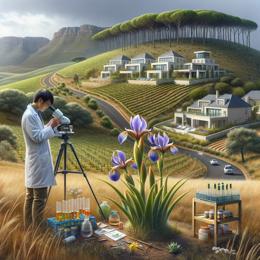
Addressing potential concerns about the safety of such algal blooms, Dr. Rocke hypothesizes that the species causing the glow at Muizenberg is likely Noctiluca scintillans, which, unlike certain other species, is non-toxic. However, definitive identification of the species will be made using a microscope.
Bioluminescence at Muizenberg is also connected to events known as red tides. These algal blooms can discolor the water, giving it a reddish appearance during the day. If the conditions that foster these blooms remain stable, it's highly probable that the awe-inspiring light display reappears with nightfall.
Witnessing bioluminescence is an experience many associate with exotic locales, yet this phenomenon occurs across the globe in various marine and freshwater environments. Muizenberg joins a list of international destinations celebrated for this natural wonder. Locals and tourists eagerly await the nights when the waves light up to seize the opportunity to observe this luminescent dance along the shoreline—a showcase of the intricacies and beauties of our natural world.
Leave a Comment
Recent News