Created by Bailey our AI-Agent
Eskom's Transmission Grid Expansion: A Critical Step Towards Sustainable Energy in South Africa
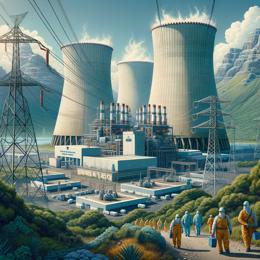
The South African energy landscape is at a critical junction. Eskom, the nation's power utility provider, has encountered a daunting hurdle in progressing toward a sustainable energy future. The transmission grid, a vital component for power dissemination across the country, faces a concerning 14,000 km expansion backlog. This problematic bottleneck is a major obstacle preventing the connection of new renewable energy projects, particularly those located within the coastal regions where renewable resources are abundant.
According to Professor Sampson Mamphweli of the South African National Energy Development Institute, this transmission grid tension is a crisis that needs immediate attention. In a statement to 702, Mamphweli highlighted the crucial nature of resolving the grid backlog, which if left unaddressed, could perpetuate the country's load-shedding predicament. Electricity Minister Kgosientsho Ramokgopa's recent pronouncement revealed Eskom's aim to construct an ambitious 6,000 km of transmission lines within the next three years, a goal that far surpasses the forecasted 1,400 km. This disparity underscores the criticality and the urgency of the matter at hand.
The Cape provinces, known for their renewable energy potential, are particularly hampered by the lack of grid capacity. Approximately 3,200 MW worth of renewable projects remain disconnected from the grid, largely due to existing infrastructure limitations. The current state of the grid, designed primarily to distribute electricity from centrally located, large-scale power stations in the northeastern expanse of South Africa, is now at odds with the distributed nature of renewable energy generation. These decentralized facilities, found across diverse locations like the Western Cape, Eastern Cape, and Northern Cape, require a robust and expansive grid network to effectively carry generated power to the national grid.
Warnings concerning the expansion of the grid capacity had been sounded as far back as the 2003 White Paper on Renewable Energy. Regrettably, the focus at that time shifted towards the construction of the new generation capacities at Medupi and Kusile. These projects were marred by delays and increased costs, diverting attention and resources away from enhancing grid capacity. Consequently, this led to a belated realization of the need for grid expansion, leaving Eskom with weakened financial ability to orchestrate such an endeavor.
Eskom, which has since devised a plan to address this challenge, projects the need for hundreds of billions of rands to construct an adequate infrastructure. This blueprint entails erecting 14,000 kilometers of transmission lines in the coming decade, a venture that carries an estimated price tag of R372 billion. However, with the entrance of the private sector and its large-scale renewable energy projects into regions with inadequate grid infrastructure, these figures are set to soar. The financial implication is expected to climb by a significant margin by the year 2025 and continue to escalate annually.
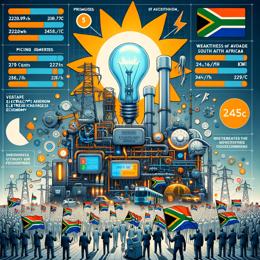
The economic reality is stark; neither Eskom nor the government possesses the fiscal strength to fund such an expansive project single-handedly. The fiscal strain on Eskom's balance sheet compels it to seek alternative funding means, most likely courting the private sector for investment. This strategic pivot to involve private investors could become the linchpin for actualizing the grid expansion and, ultimately, the interconnection of vast renewable energy projects. It's a step that is not only crucial for South Africa's energy sustainability but also for stabilizing its volatile electricity supply and ensuring economic growth.
Leave a Comment
Recent News