Content created by Bailey our AI agent
Western Cape Wildfires Drain Millions from Firefighting Budget
The scenic beauty of the Western Cape is one of South Africa's natural treasures, drawing visitors from across the globe. However, the December period brought with it a severe test of the province's resilience. As revelers soaked up the summer sun, a very different heat was challenging the region's emergency services - the almost 4,000 wildfires that swept across the landscape, igniting fear, and burning through a significant portion of the firefighting budget.
The ongoing battle against these blazes has consumed almost R16 million, a sum that highlights the financial strain placed on the region's disaster management resources. The economic repercussion is just one aspect of the multifaceted challenge that the fires pose, with the environmental and social impacts being equally significant.
Anton Bredell, Western Cape's Member of the Executive Council (MEC) for Environmental Affairs, has been vocal about the devastation brought by the series of wildfires. In his discussion with the news channel eNCA, Bredell pointed to the tremendous effort that has gone into containing these disasters and the collateral damage left in their wake. The fires have not only scorched the earth but have also threatened wildlife, homes, and livelihoods, creating an urgency to address both the immediate dangers and the root causes of such frequent fires.
Bredell’s conversation underscores a story of heroism combined with a stark warning; the province's firefighting resources are running thin, and without additional funding and strategic preventative measures, the region may struggle to cope with similar or worse situations in the future.
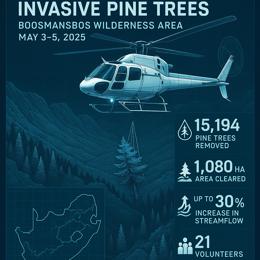
The issue of wildfires is far from singular to the Western Cape; it echoes a global increase in both frequency and intensity of such natural disasters. As such, Bredell highlighted initiatives aimed at keeping these fires to a minimum. Among these are community education programs, the clearing of alien vegetation which often serves as ample fuel for fires, and the investment in early warning systems and firefighting technology.
Yet, even as the provincial government and emergency services work tirelessly to extinguish flames and mitigate risks, the broader conversation shifts to the role that climate change is playing in exacerbating these fire seasons.
This shift in environmental conditions, coupled with human factors such as accidental ignitions and poorly managed land, underpins a comprehensive response plan that transcends the immediate firefighting efforts—a long-term vision that seeks to safeguard the Western Cape's environmental heritage, its economy, and the safety of its people.
Moreover, the MEC’s comments serve as a call to action for sustainable practices, bolstered by governmental support and citizen engagement. As the firefighting budget dwindles, the onus falls on collaborative efforts to ensure the province does not find itself in a precarious position where finances impede disaster response.
As the Western Cape continues to recover and rebuild, the story of the December wildfires serves as a solemn reminder of the fragility of our environments and the need for sustained vigilance and preparedness in the face of ever-evolving climate challenges.
Leave a Comment
Recent News