Content created by AI
"Wakanda Forever" Champions Black Female Superheroes, Shifting Hollywood Paradigms
"Black Panther: Wakanda Forever" has been acclaimed not just for its cinematic thrill but for rewriting the script of Hollywood superhero movies, offering a groundbreaking portrayal of Black female heroes on the silver screen. This is not merely an evolution in storytelling; it represents a seismic shift in the inclusivity of blockbuster filmmaking.
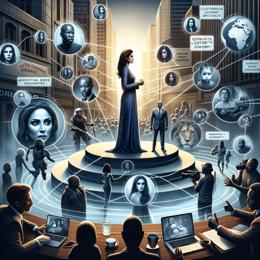
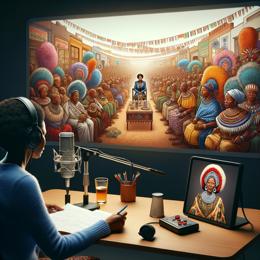
English professor and cultural critic Diana Adesola Mafe has been at the forefront of the academic discussions surrounding such films, where she brings her expertise on Black women’s representations in media to an international dialogue. She recognizes the film's significance not only as entertainment but as a transcendent cultural artifact that challenges and reshapes the landscape of Hollywood.
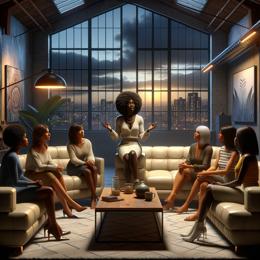
At an academic roundtable, she delves into "Wakanda Forever" and its commitment to placing Black women at the heart of a global narrative, essentially flipping the script on traditional representations. Her research, most notably showcased in her book "Where No Black Woman Has Gone Before: Subversive Portrayals in Speculative Film and TV," provides the foundation for understanding the film's revolutionary impact.
Mafe's examination of "Wakanda Forever" reveals a story rich in dignity and depth for its Black female characters, breaking away from past tropes that have marginalized and objectified Black women in western cinema. Director Ryan Coogler's follow-up to his immensely successful "Black Panther" builds a world where the gaze of Black womanhood is central, assertive, and unabashed.
The eye-watering $250 million budget is just one testament to the film’s path-breaking ambition. Marrying the lavish scale with a story centered on the kingdom of Wakanda grappling with the loss of its king, the film is an unapologetic defiance of the white, male-centric narratives that have long dominated the genre.
Despite challenges, including the tragic passing of Chadwick Boseman, which necessitated major changes in the storyline, "Wakanda Forever" emerges triumphant in redefining the possibilities for representation within the industry.
Mafe underscores that while Hollywood has made strides towards inclusivity, a single film’s success doesn't denote a systemic overhaul. Yet, movements like #OscarsSoWhite and reports like the UCLA Hollywood Diversity Report indicate both progress and the enduring need for vigilance in addressing diversity issues within the industry.
"Wakanda Forever" is thus a cinematic beacon, heralding a future where Black female superheroes can command the big screen, encouraging the industry towards broader inclusivity in the stories it chooses to tell and the creators it chooses to spotlight. It is not just a film; it's a harbinger of change in the making of superhero myths for a more equitable Hollywood and a more inclusive world.
Leave a Comment
Recent News