Content created by AI
South Africa's Biosecurity Crises: An Existential Threat to Agriculture
South African agriculture is navigating through turbulent times, where foot-and-mouth disease (FMD), avian influenza, and African swine fever (ASF) are not just headlines but stark realities challenging the sector's biosecurity. John Hudson, recognizing the magnitude of this crisis, underscores the urgency for action to prevent the continued erosion of the country's agricultural framework and market confidence.
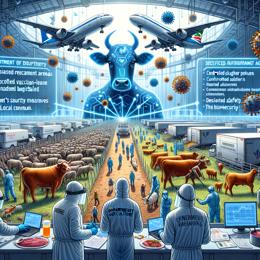
The lack of adequate biosecurity measures—those designed to prevent the introduction and spread of harmful organisms to plants, animals, and humans—has allowed these diseases to threaten the core of South Africa's food security and the livelihoods connected to its agriculture. Hudson touches upon the significance of the agricultural sector which is crucial for both domestic food supply and international trade.
Commercial farming practices, intensifying animal rearing, and packed livestock quarters raise the risk of disease outbreaks. The irony is cruel: methods that aim to meet the food demands of a growing population inadvertently make the livestock more vulnerable to illness. This risk becomes all too real when examining how outbreaks spread due to insufficient knowledge on the transmission and symptoms, non-compliance with animal movement regulations, and lackluster governmental oversight and funding.
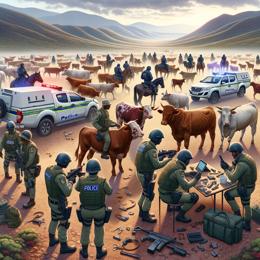
It's grim news that even when protocols are in place—for instance, quarantine measures and culling during outbreaks like FMD or avian influenza—systematic weaknesses are revealed. Lack of resources for state veterinary services and no compensation for culled livestock disincentivize farmers from reporting and complying with containment measures, allowing diseases to spread unchecked.
The economic implications are dire. The outbreaks led to dramatic falls in exports, indicated by Trade Map's data showcasing a decline in beef exports and wool exports' value plummeting due to Chinese import suspensions. The pork industry was not spared either, with key markets like Namibia shutting their doors.
The World Organisation for Animal Health's removal of South Africa's FMD-free status accentuates the repercussions these crises have on the global stage. Trust built with international markets is fragile, and persistent outbreaks lead to inevitable bans, pushing buyers to seek safety in the arms of other suppliers.
The call for immediate and effective solutions is echoed across the sector. The answer lies in fostering robust government and private sector cooperation, focusing on accountability in biosecurity. Yet, trust issues and inefficiencies shadow these imperatives.
Implementing an effective traceability system for livestock movement is seen as a hopeful measure, but even that comes with its own set of challenges, including the potential decade-long rollout and heavy financial requirements.
These are more than mere hiccups; they represent real and present dangers to the viability of the sector. Hudson's exposition points to a need for a radical rethinking of how the country manages its agricultural biosecurity, highlighting the inevitable conclusion that without a significant shift in both attitude and action, South Africa's agricultural fortitude is at serious risk.
Leave a Comment
Recent News