Content created by AI
Renewable Energy and Political Developments Shape the Western Cape's Horizon
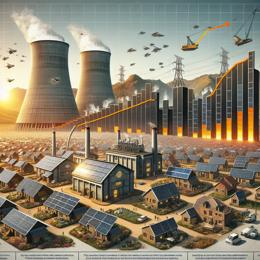
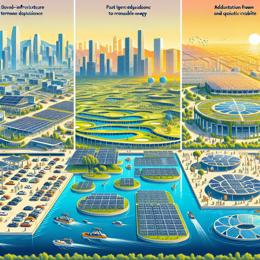
Amidst the ongoing narrative of South Africa's energy crisis, a positive development emerges from the Western Cape, where wind power is not just a whisper but a roar that propels the province into a leading position in renewable energy. The installation of new wind farms is a testament to the province's commitment to sustainable development and environmental stewardship. This leap towards clean energy is expected to stabilize the power supply, reduce carbon emissions, and potentially lower electricity costs, setting an exemplary path for other regions nationwide.
The growth in renewable energy is part of a wider pattern of innovation and progress in the Western Cape, underpinned by strong governance and public participation. The region strides towards an energy-independent future, which, beyond the immediate environmental and economic benefits, also serves to alleviate some pressures from the national energy grid, Eskom, thus contributing to a national concern.
However, it is not just the winds of change in energy that capture attention in the Western Cape, but political currents that also demand scrutiny. A recent oversight by a minister in failing to submit critical documents to the portfolio committee on public enterprises has brewed a storm of controversy. This act, fraught with ramifications, could potentially stall crucial public enterprise deals, raising questions about transparency and accountability within the government. The confidence of the committee and, by extension, the public, hangs in the balance as the omission halts proceedings that could significantly impact the province’s economic trajectory.
Further complicating the political landscape is the news from the corridors of the Multi-Party Charter. There is speculation that its funders are actively seeking a new figurehead to spearhead the coalition's election campaign. This quest for new leadership signifies a possible strategic shift and an attempt to strengthen the coalition’s political presence, reflecting the turbulent nature of South Africa's multifaceted political environment. How this change plays out could influence not only the coalition's future but also reshape the competition among the established political players.
Another political discourse shaping the province's future comes in the form of a defiant stance by the newly elected Democratic Alliance (DA) leader, Tertuis Simmers. In the wake of debates surrounding the so-called 'CapeXit,' a proposition for the Western Cape's secession from South Africa, Simmers dismissed these calls unequivocally. His rejection of the secession idea underscores the DA's commitment to national unity and presents a contrasting vision to the separatist rhetoric. This clear stance by Simmers may consolidate support for the DA in the province and provide a firm footing for his newly minted leadership.
In conclusion, the Western Cape demonstrates a dynamic interplay between advancements in renewable energy and significant political narratives. The province stands as a battleground for both environmental and political ideologies, where the outcomes will undoubtedly resonate beyond its borders. With a new wind blowing through the sails of development and change, the Western Cape holds the potential to pave the way towards a greener and more united South African future.
Leave a Comment
Recent News