Content created by AI
South African Study Links Occupation and Lifestyle to Elevated Pancreatic Cancer Death Risk in Workers
A vital study published by the South African Medical Journal (SAMJ) on January 5, 2024, has unearthed a worrying correlation between certain occupations and an increased mortality risk from pancreatic cancer in South Africa. The research, spearheaded by academics at the University of the Witwatersrand, delves into the occupational and lifestyle factors contributing to this heightened cancer risk.
The investigation was conducted as a case-control study, analyzing data from Statistics South Africa spanning two decades, from 1997 to 2016. The focus was on individuals in South Africa whose cause of death was pancreatic cancer, comparing them to a control group with non-cancer-related mortalities. The alarming revelation is that both male and female managers, as well as men in craft and related trades, show a significantly higher risk of succumbing to pancreatic cancer. In 2020 alone, this disease was the seventh leading cause of cancer death across genders, accounting for 1,982 fatalities—almost evenly split between men and women.
The uptick in cases over the study period is a stark reminder of the disease's growing impact. The key factors accentuated in the study's findings include race, educational status, smoking habits, and occupation. It points towards the likelihood of workplace exposures, particularly to various solvents, as a potential culprit. Such substances are ubiquitous in industrial settings, from hospital environments to chemical and petroleum sectors, implicating a broad spectrum of workers.
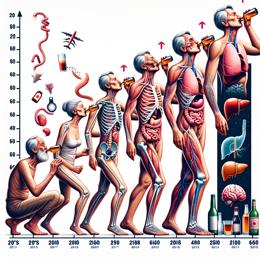
The study presents evidence linking formaldehyde exposure to increased pancreatic cancer mortality. This is particularly concerning for South Africans working in hospital settings and related industrial occupations. Moreover, with many of the analyzed cases being smokers, the study indicates that the combination of smoking with solvent exposure could magnify the risk. It also highlights the potential compound effect of alcohol consumption alongside these factors.
The research goes beyond merely presenting a problem; it also urges actionable prevention strategies. Reducing the incidence and fatality rate of pancreatic cancer could be achieved through smoke-free environments, early diagnostics, appropriate treatment, optimized work schedules, and the use of protective gear in the workplace. With such measures, the research suggests that the trend observed could be mitigated.
In light of these significant findings, it is crucial for both individuals and institutions in South Africa to re-evaluate occupational health policies and lifestyle choices to address this hidden but deadly workplace risk. As the study illustrates, the fight against pancreatic cancer is not just medical but also involves everyday decisions and working conditions that can either heighten or reduce the risk.
Leave a Comment
Recent News