Content created by AI
Israel Rebukes South Africa for ICC Genocide Case on Gaza Conflict
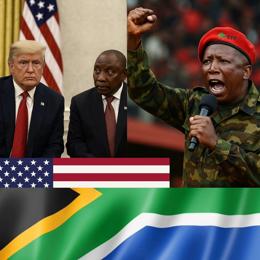
In an escalating diplomatic rift, Israel has launched a scathing condemnation of South Africa's decision to initiate a genocide case in the International Criminal Court of Justice (ICC) pertaining to the recent conflict in Gaza. This case stems from the hostilities that gripped Gaza for nearly three months, resulting in the loss of thousands of civilian lives.
The Israeli government's stern response came ahead of the ICC proceedings set to commence next week. Israeli officials have expressed their intent to staunchly defend against the accusations laid out in South Africa's application. Tensions have risen as Israel accuses South Africa of siding with what they dub as “anti-Jewish racists” and “perpetrators of genocide,” referring to Hamas, the de facto ruling authority of the Gaza Strip.
Israeli government Spokesperson Eylon Levy publicly rebuked South Africa at a press briefing. In his statement, Levy suggested that South Africa's support of the genocide case equates to backing an organization that Israel deems guilty of the very crimes alleged against it. He remarked this action portrays South Africa as an accessory to Hamas, which Israel accuses of instigating the conflict and perpetuating violence against Jewish civilians.
Levy continued by pointing to South Africa's historical involvement with controversial figures on the international stage, most notably Omar al Bashir, the former Sudanese leader indicted for genocide in Darfur. He suggested that such a stance is not out of character for the country.
In stark contrast to the narrative presented by South Africa, Levy presented the position that Israel had taken all possible measures to avoid civilian casualties during the Gaza conflict, thus deflecting the genocide accusations. He highlighted Israel's moral and military code, which he argued prioritizes the preservation of innocence even amidst warfare—a claim which stands at odds with the extensive loss of life as reported during the conflict.
This cutthroat exchange comes at a pivotal moment, as international scrutiny over the actions taken by both Hamas and Israel intensifies. The ICC case spearheaded by South Africa has propelled these issues into the global spotlight, demanding legal and moral examination of the events and the subsequent loss of Palestinian lives.
The South African government’s pursuit of this matter in the ICC signals an assertive legal approach to international humanitarian law, while Israel perceives it as a dangerous precedent, blending legal advocacy with political rivalry. The heart of the issue lies in the interpretation of the events that unfolded and the classification of the actions as genocide, which the ICC will deliberate upon, in accordance with international law.
Israel and South Africa, both countries with complex histories and current geopolitical challenges, find themselves at an impasse, one rooted in deeply conflicting narratives and accusatory politics that are now to be dissected in the realm of international justice.
Leave a Comment
Recent News