Content created by AI
Western Cape Hospitals Overwhelmed by Surge in Trauma Cases Over New Year Weekend
As South Africans celebrated the dawn of a new year, the Western Cape healthcare system grappled with a staggering influx of trauma cases. Emergency rooms across the province were in overdrive, operating ceaselessly to attend to a deluge of injuries and emergencies. From Thursday to Tuesday, involving the New Year long weekend, Western Cape hospitals recorded nearly 5,300 trauma cases, revealing a concerning healthcare pattern during holiday periods.
This spike accounted for over a quarter of all cases treated in emergency rooms during that time, according to data from the Hospital Emergency Centre Triage and Information System (HECTIS) of the Western Cape Department of Health. The 5,298 cases seen by medical professionals underscore the immense pressure the festive season can exert on healthcare facilities and personnel.
The province's health system, designed to serve one of the most populous areas in South Africa, is periodically challenged by such surges in patient numbers. These fluctuations demand considerable agility and resources from hospitals, which must balance everyday healthcare delivery with the heightened demands during holidays and festive periods.
The causes of these trauma cases are diverse, often including alcohol-related injuries, road accidents, interpersonal violence, and other emergencies. The sheer volume of cases not only places strain on hospital resources but also underscores broader societal issues that come to the forefront during times of celebration.
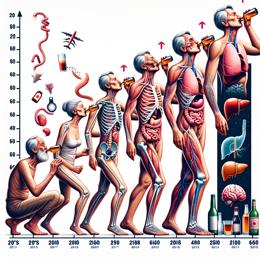
Incidents of violence and road traffic accidents contribute significantly to these figures, with increased consumption of alcohol being a potentiating factor. These incidents raise critical concerns about public safety and preventive measures, triggering discussions around law enforcement, public health policy, and community education to mitigate the risks during high-risk periods.
Moreover, the pressure on emergency rooms also has a human dimension, affecting the well-being of healthcare workers who face extended hours, high-stress conditions, and emotional burden. The dedication and resilience of these front-line workers become vitally apparent during such crises, as they work tirelessly to provide care and save lives.
With these statistics at hand, the Western Cape's healthcare system is prompted to conduct evaluations of their crisis management protocols and to look into strategies to better prepare for and respond to future spikes in trauma cases. Improvements in traffic monitoring, law enforcement visibility, and public awareness campaigns may help to reduce the number of preventable trauma cases during holiday seasons.
Investments in healthcare infrastructure, staff training, and the stockpiling of essential medical supplies could also play a role in bolstering the Western Cape's capability to manage similar situations in the years to come. As the region reflects on the New Year's trauma caseload, the lessons learned will be crucial in shaping more resilient public health strategies.
In the face of such challenging circumstances, the unflagging spirit of Western Cape's healthcare practitioners has been praise-worthy. Their commitment to healing and helping those in need – often under duress – is a testament to the human capacity for grit and compassion in the face of adversity.
As the Western Cape navigates the aftermath of a taxing holiday season on its healthcare system, broader conversations continue about prioritizing safety and health, not only during festive times but as an everyday standard. The province, and indeed South Africa as a whole, may be able to turn the tide of trauma cases with concerted effort and community cooperation.
Leave a Comment
Recent News