Content created by AI
South Africa's Energy Shift: Private Sector Fills The Gaps as Eskom Sales Decline
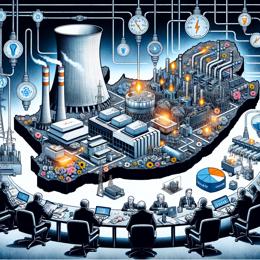
The South African energy landscape is undergoing a transformative shift, with the private sector playing an increasingly significant role in electricity generation. Eskom, the state-owned power utility, has reported a continued deterioration in sales volumes, which they attribute to various factors including the increased adoption of renewable energy technologies by private entities.
Research conducted by RMB Morgan Stanley indicates that the private sector is poised to match, if not exceed, Eskom’s generation capabilities within the next two years. This trend is seen as a parallel to the rise of private airlines that filled the service gaps left by the beleaguered South African Airways.
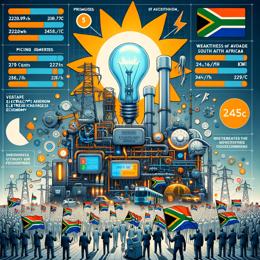
One of the most notable developments in this energy transformation is the solar power boom. South Africans have installed a staggering 4,400 MW of rooftop solar capacity outside of those projects procured by the government. This capacity is projected to increase by a massive 420% come 2030, indicating a profound shift in where South Africans are getting their electricity.
This surge in solar power is not a small-scale phenomenon. Imported solar panels have set new records, with a value of R12 billion in 2023, injecting another 2,200 MW of capacity into the nation’s grid. The impact is tangible, as this burgeoning segment in renewable energy has led to a 2.3% decrease in Eskom’s sales, based on data disclosed by Public Enterprises Minister Pravin Gordhan.
Economists, such as Dawie Roodt, offer insights into this transition, describing it as an inadvertent form of privatisation. With Eskom's delivery waning due to a variety of challenges, the private sector is stepping up to assume what were traditionally state responsibilities. The shift, however, is not a result of direct policy, but rather a response to the state utility's operational crises.
Experts anticipate that this move toward privatisation will continue to gain momentum, although they project that significant changes will unfold over the next 18 to 24 months. The expectation, supported by data from RMB, is that by 2025, private enterprises could effectively serve as the primary electricity generation entities, relegating Eskom to a role mainly focused on distribution.
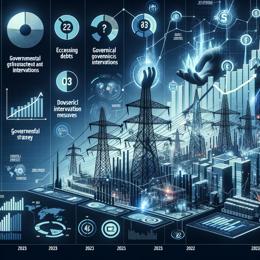
The government, nonetheless, asserts that Eskom will not be privatised. The Ministry of Finance maintains the stance that there are no plans to privatise the power utility, ensuring that strategic energy assets remain under state control. Divergent views within the government, however, suggest a push towards reforming the energy sector to promote competition and reduce reliance on Eskom as the sole provider.
Deputy Finance Minister David Masondo stated the Treasury's preference for diversifying energy production and shifting away from a state monopoly. Similarly, Minister of Mineral Resources and Energy Gwede Mantashe reaffirmed the government's commitment to restructuring the electricity supply industry within the framework of the 1998 White Paper of Energy Policy. This policy is aimed at achieving a competitive electricity market, yet Mantashe emphasized the continuing role of the public sector in the energy mix.
The drive towards privatization, intentional or not, is reshaping South Africa's energy future. It encourages innovation and efficiency and propels the nation towards a resilient, diverse, and sustainable energy portfolio.
Leave a Comment
Recent News