Content created by AI
Sealed Cave in Tulum Reveals Maya Underworld with Centuries-Old Human and Sea Creature Remains
In an extraordinary find reminiscent of an "Indiana Jones" movie, archaeologists have unveiled a sealed cave within the Mayan ruins of Tulum on Mexico's Yucatán Peninsula. The cave, concealed by a large boulder, has been a silent witness to history, safeguarding human remains and a plethora of sea creatures for hundreds of years.
The National Institute of Anthropology and History (INAH) announced the monumental find, which came as a part of meticulous excavations in the area. Upon removing the boulder, archaeologists were greeted by the sight of a human skeleton half within the cave and half emerging outside, a position that poses many questions about the individual's fate.
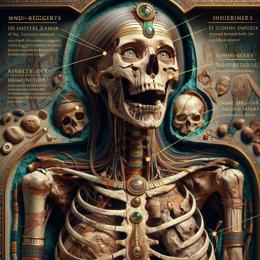
The team's journey into the depths of the cave was a challenging one. Confronted by a poorly lit, insect-covered, and extremely narrow passage, they persevered to discover two small chambers. Here lay the rest of the story: the skeletal remains of eight individuals. The environmental conditions within the cave have been kind to these remnants of past life, leaving intact bones and skulls nestled into the floor, a find that was as macabre as it was fascinating.
Beyond human remains, the cave also housed a collection of deceased animals, forming a veritable snapshot of the local biodiversity at the time. Remains of common animals such as dogs and deer cohabited with those of sea turtles and sharks, even armadillos and opossums found their final resting place inside. This congregation of skeletons from both land and sea deepens the mystery of the cave, as it reflects a significant level of diversity in fauna offerings.
Such an assemblage is not unprecedented in Mayan burial sites. A study published in 2020 referenced a grave filled with over 100 snails. These deposits, including the snail glued to the entrance of the Tulum cave - an apparent Maya decoration, are thought to symbolize the Mayan belief in an aquatic afterlife.
Ceramics fragments, likely dating from 1200 to 1550, were also discovered amidst the remains, hinting at the cultural and perhaps ritual context of the site. This discovery lends further insight into the practices of the Maya civilization and their artistic expressions.
INAH is set to continue its research at the site, going so far as to create three-dimensional models to craft a vivid image of what the cave and its contents looked like in their prime.
The use of Google Translate was instrumental in comprehending the intricate details provided in the news release from INAH.
As these previous chambers of history are unravelled, new stories are waiting to be told. The findings not only expand our understanding of Mayan life but also the broader scope of Mesoamerican history. It demonstrates the close connection cultures had with both their terrestrial surroundings and the mystical beliefs that tied them to the seas.
Leave a Comment
Recent News