Content created by AI
Eastern Cape Health Department Invests in Advanced Cancer Treatment with R60 Million Linac Machine
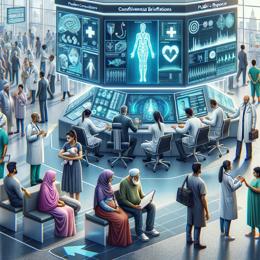
The Eastern Cape Department of Health has taken a significant leap forward in the fight against cancer with the procurement of a state-of-the-art Linear Accelerator (Linac) machine, valued at R60 million. This sophisticated piece of equipment will be stationed at Livingstone Hospital in Gqeberha, and is expected to significantly improve the quality of cancer treatment available to the people in the region.
Sizwe Kupelo, a spokesperson for the department, expressed that the addition of the Linac machine is set to augment existing cancer treatments, like surgery and chemotherapy. This will enable the healthcare facility to offer a more comprehensive care package to patients battling cancer. The machine's cutting-edge technology allows precise targeting of cancerous cells, sparing healthy tissue and reducing side effects associated with other treatment forms.
In tandem with introducing the advanced therapeutic equipment, the department is also implementing an ambitious cancer screening program. Their strategy underscores the importance of a dual approach in addressing cancer—prioritizing prevention and the necessity of early detection. The ultimate goal of these enhanced screening efforts is to reduce cancer mortality rates by diagnosing the disease at more treatable stages.
By 2025, the Eastern Cape Department of Health envisions a collaborative network connecting the Linac machine at Livingstone Hospital with similar equipment at Frere and Nelson Mandela Academic Hospitals. This network will ensure that patients across the province have access to the best possible cancer treatment options.
Furthermore, construction is underway for a cutting-edge Oncology unit at the Nelson Mandela Academic Hospital in Mthatha. This addition will operate as a hub for cancer treatment on the eastern side of the Eastern Cape. The department has already appointed a specialist to lead the establishment of an oncology clinic in anticipation of the ward's completion. Upon its inauguration, the clinic will deliver critical services to the local population, greatly enhancing the region's healthcare infrastructure.
Investments of this caliber in the healthcare sector are crucial in addressing the pervasive challenge of cancer in South Africa. With a significant portion of the population relying on public healthcare services, initiatives like these can make a substantial difference in improving lifespans and quality of life for cancer patients.
Cancer remains a significant public health issue in South Africa, and the acquisition of the Linac machine by the Eastern Cape Department of Health marks an important step in bolstering the available treatment options for cancer patients. With continued investment and focus on both treatment and prevention, there is hope for better outcomes in the battle against this disease.