Content created by AI
US Intercepts Drones Over Red Sea as Shipping Giants Reroute to Evade Threat
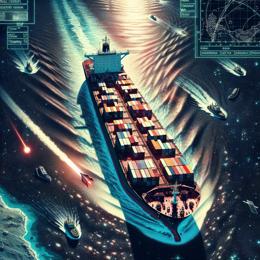
The international shipping community is facing a significant increase in security threats, as evidenced by the recent interception of 14 one-way attack drones by the United States military over the Red Sea. This interception, conducted by the USS Carney, a guided missile destroyer, marks a worrying escalation in hostilities emanating from Houthi-controlled areas of Yemen.
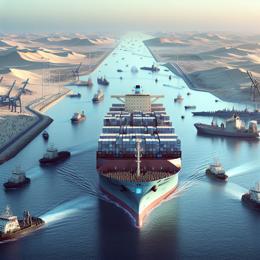
The Houthi rebel group, which receives support from Iran, has been increasingly targeting commercial vessels traversing the Red Sea—a critical waterway for maritime commerce. The danger posed by these attacks has compelled some of the world's largest shipping companies, namely MSC Mediterranean Shipping Co. SA and CMA CGM, to divert their vessels away from this strategic chokepoint, opting for longer, alternative routes.
The engagement with the drones reportedly resulted in no damage to nearby ships or injuries, thanks in part to the coordinated efforts of regional partners in the Red Sea. The US Central Command highlighted the importance of prompt threat alerts that aid in ensuring commercial vessels' safety in the volatile region.
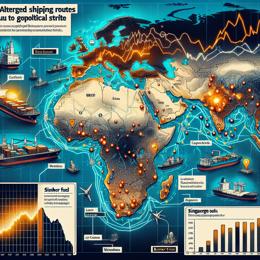
The affected MSC container ship, the MSC Palatium III, experienced "limited fire damage," according to a statement from the shipping company. The incident has prompted MSC to suspend transits through the Suez Canal, routing some services instead via the Cape of Good Hope, significantly extending the travel time and the logistic complexity.
Similarly, the French-owned shipping giant CMA CGM has instructed its container vessels to halt their progress and remain in safe waters until further clarity about security in the Red Sea is reached. These precautionary measures by major shippers underscore the severity of the perceived threat.
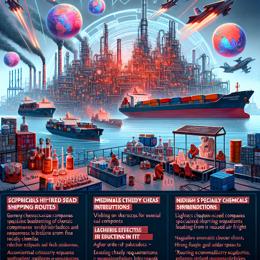
The redirection of shipping routes does not come without its consequences. Freight forwarding experts like Flexport Inc. estimate that circumnavigating Africa to avoid the Suez Canal can add an additional week or more to the typical journey, impacting delivery schedules and contributing to freight rate increases. Such disruptions stand to propagate through global supply chains, potentially affecting consumers and businesses worldwide.
This maritime threat extends beyond the immediate vicinity of the Red Sea. It has been reported that the Houthi rebels have even issued threats against vessels with affiliations to Israel, labeling them as "legitimate targets." The recent wide-ranging nature of these attacks has also been met with defensive actions from UK naval forces, which shot down a suspected attack drone with a Sea Viper missile, further highlighting the joint international military response to the emerging threat.
The situation remains fluid, and its impact on global trade is yet to be fully quantified. However, the reliance of a sizable portion—about 12 percent—of world trade on the Suez Canal means that any prolonged disturbances could have significant repercussions, as expressed by Marco Forgione from the Institute of Export & International Trade.
In response to these ongoing security concerns, proactive steps are taken not just by military forces but also by commercial entities to safeguard personnel, assets, and the smooth operation of trade routes. As the global community continues to monitor and adapt to this evolving situation, the discussion around maritime security and the safeguarding of trade channels remains more relevant than ever.
#GOOGLE_AD
Leave a Comment
Recent News