Content created by AI
South African Car Makers Pivot to Alternative Energy Amid Load Shedding Crisis
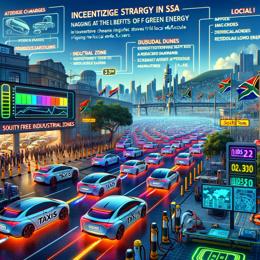
In an atmosphere of persistent power shortages, major automotive players in South Africa are aggressively seeking alternative energy strategies to ensure uninterrupted operations. With load shedding presenting a frustrating challenge for businesses countrywide, companies like Hyundai Automotive South Africa, Toyota South Africa Motors (TSAM), Ford SA, and Mercedes-Benz South Africa (MBSA) are turning towards solar power and other energy-saving measures.
Hyundai has felt the sting of power cuts in its Benoni assembly operation, prompting a move towards electricity generators and a considerable installation of solar panels at their head office and distribution center. Deon Sonnekus, Hyundai’s spokesperson, highlighted the substantial expenses that these investments incur, emphasizing the impact on profitability and business expansion, not to mention the influence on car sales across the industry.
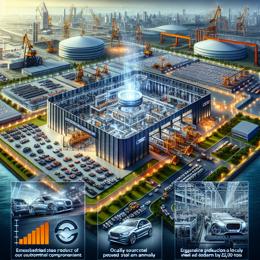
Toyota is likewise adapting, with Lelo Ndzimela revealing solar investments within their operations. TSAM’s long-term goals also support carbon-reducing efforts throughout their production and supply chain, aiming for carbon neutrality by 2050. Similar initiatives have been echoed by Ford SA, which protects its Silverton plant with over 30,000 solar panels to provide a significant portion of energy needs, exploring renewable solutions as part of a broader vision.
Mercedes-Benz is not immune to the power debacle, navigating the situation with energy-saving measures crafted to support both the grid and their complex global production network. Thato Mntambo, representing MBSA, states that a proactive approach has been adopted, with energy conservation being a priority even when load shedding isn't imminent.
Volkswagen SA too is feeling the pressure. Their manufacturing plant in the Eastern Cape has resorted to installing generators and modifying logistics, such as using car carrier trucks instead of trains, to ensure the movement of vehicles and components amidst cargo delays at ports. These adaptations signal a significant and strategic response to an ongoing energy crisis.
The commitment to alternative energy and sustainability reflects a dynamic shift in the South African automotive industry as it navigates the challenges posed by an unreliable power grid. The actions of these manufacturers underscore the urgent need for solutions that can maintain the momentum of an industry essential to the country's economy.
As they seek resilience in the face of this energy insecurity, these pioneers are not only setting an example for other sectors to emulate but also contributing to a greener, more sustainable future for South Africa's industrial landscape. Their transitions may entail loaded upfront costs, but the promise of a stable, self-sufficient, and environmentally responsible production process is undeniably invaluable.