Content created by AI
Loss and Damage Fund at COP28: Africa on the Beneficiary End Raises Concerns for Long-term Resilience
The recent conclusion of COP28 in Dubai not only marked another pivotal gathering of nations to tackle the looming threats of climate change but also saw the birth of the much-anticipated Loss and Damage Fund. This initiative, decades in the making, has sparked a mix of optimism and apprehension among stakeholders eager to address climate impacts but wary of the potential long-term ramifications for developing regions like Africa.
An Immediate Victory with Long-term Questions
The atmosphere was charged with enthusiasm at COP28 when delegates celebrated the operationalization of the Loss and Damage Fund. With major pledges amounting to nearly $800 million from countries including the UAE, Germany, the UK, and Japan, the initiative seemed a promising start towards redressing the climate calamities befalling poorer nations.
South Africa’s Richard Sherman, closely involved in the fund's design, touted the fund's potential to offer economic support against extreme weather and more gradual climatic shifts, pivotal for regions hard-hit by climate effects on agriculture and natural resources. The strategic approach adopts a mix of grants and concessional finance aiming to rehabilitate essential infrastructure and bolster community resilience.
Underscoring this development's significance was Wits University's Laura Pereira, who labeled the fund as a key outcome of the conference, with nations across Africa, the G7, and China expressing satisfaction.
However, concerns have been articulated by voices within the economic sphere, casting a scrutinizing gaze on its implementation and the long-term conception of Africa in the global economic landscape.
A Continental Shift - The Case for Investment and Growth
Anton Cartwright of the University of Cape Town injected a sobering perspective, emphasizing the necessity for Africa to transcend its role as a mere aid recipient and to challenge perceptions that dictate borrowing costs and economic agency. He encourages leveraging Africa's unique position, housing the world's largest carbon sink and rich with minerals essential for the global transition to green energy.
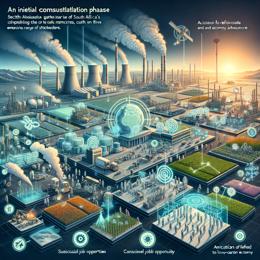
Africa's rapidly urbanizing cities and the substantial number of people lacking reliable electricity present not just enormous development needs but significant investment opportunities. Cartwright critiques the prevailing narrative, advocating for a pivot from dependency on insufficient loss and damage mechanisms to robust, sustainable finance that attracts the investment crucial to fostering low-carbon development.
Allocation of Funds and Ensuring Equitable Access
With the Loss and Damage Fund now in motion, all developing countries have assured access. Yet, there still lingers skepticism over the distribution of these funds, which has historically seen a significant portion channeled to organizations in the Global North rather than directly impacting the intended communities in the Global South.
A Controversial Host: The World Bank’s Interim Role
Refocusing the debate, the appointment of the World Bank as the fund's interim host drew mixed reactions and stipulated conditions needing ratification. The international financial landscape often gravitates toward established institutions for climate funding due to trusted distribution channels, which inadvertently sidelines smaller, local entities crucial to effective ground response.
Thus, a layer of complexity is added to the climate finance narrative, where an effective strategy calls for fortifying regional civil society and NGOs to impart holistic adaptation and mitigation, often necessitating intricate and innovative approaches.
In Summation
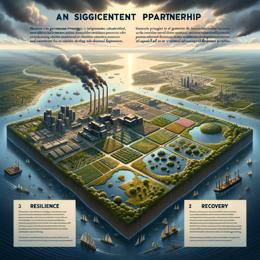
As COP28's achievements are dissected, the inauguration of the Loss and Damage Fund stands out as both an accomplishment and an impetus for deeper reflection on sustaining Africa's climate response and economic future. The pivotal question moving forward is whether a newfound focus on sustainable development and proactive investment strategies can manifest, reshaping Africa's role from a recipient to a leader in global sustainability and resilient growth.
Leave a Comment
Recent News