Content created by AI
South Africa's Nuclear Energy Ambitions Under Scrutiny Amid Energy Crisis
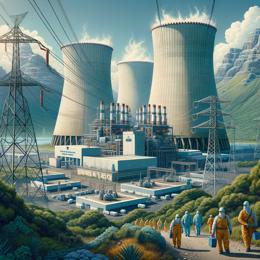
As South Africa grapples with its protracted energy crisis, Electricity Minister Kgosientsho Ramokgopa's latest announcement of initiating a procurement process for approximately 2,500 megawatts of nuclear power has generated robust debate. This pivot towards nuclear energy is heralded by the government as a significant step in assuring the nation's energy security and a display of its leadership in nuclear generation on the African continent.
The minister's assertion frames nuclear energy as a cornerstone for South Africa's vision of an energy-dependent future free from external control. However, renowned energy analyst Chris Yelland provides a contrarian perspective, challenging the notion that the proposed nuclear plan will lead to energy sovereignty or serve as an expedient solution to the present power supply challenges, particularly, the acute problem of load-shedding.
According to Yelland, relying on nuclear energy may actually intensify dependence on foreign technology and expertise due to the complex nature of nuclear infrastructure. Moreover, he highlights several prominent concerns that accompany nuclear energy adoption: the enduring problem of high-level nuclear waste disposal, inflated construction timelines, and the tendency for projects of this scale to encounter significant cost and schedule overruns.
Delving deeper into the specifics, there is an acknowledgement of pacing issues as well. The Department of Energy's Deputy Director-General for Nuclear, Zizamele Mbambo, earmarked the operational launch of new units by 2032 or 2033. With this projection comes a hefty price tag estimated at around R250 billion for a single nuclear reactor.
While Yelland does not completely discount nuclear technology as a potential element of South Africa's future energy portfolio, he dismisses its viability within the urgent 10-year timeline that the nation faces to address the current energy shortfall. Throughout this crucial period, it is likely that energy sector parameters and technology could evolve significantly.
Instead of a singular focus on nuclear, Yelland advises a diversified approach tapping into the nation's rich repository of natural resources. His recommendation points towards renewable energy sources, such as wind and solar power, complemented by modern storage solutions like battery energy storage systems and pumped water storage technology. These alternatives tout the advantages of swift delivery and reliable energy generation transitions.
The recent developments garner significant attention against the backdrop of South Africa's struggles with successive rounds of load-shedding that stunt economic growth and unease public sentiment. This ongoing tussle between nuclear prospects and the push for green, renewable undertakings underscores the complex dynamics at play in South Africa's hunt for a sustainable and stable energy framework.
Leave a Comment
Recent News