Content created by AI
South Africa's Ambitious Nuclear Energy Procurement Elicits Divided Opinions
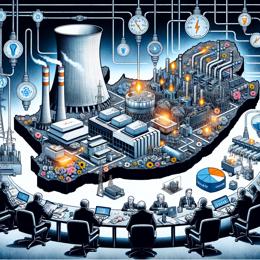
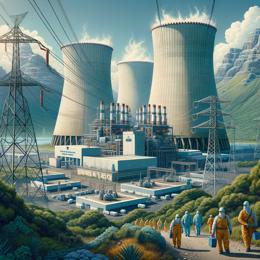
The South African government has sparked a spectrum of reactions with its announcement to procure an additional 2,500 megawatts (MW) of nuclear energy by 2033. This plan, delivered by the Minister responsible for Electricity, Dr. Kgosientsho Ramokgopa, follows the National Energy Regulator of South Africa’s (Nersa) approval and is positioned as a strategic move to ensure national energy security and sovereignty. The start of the procurement process is anticipated to herald a new era in the country’s energy portfolio, which at the moment significantly relies on Koeberg, the sole nuclear power station contributing around 6% to the national electricity supply.
The Department of Mineral Resources and Energy (DMRE) is on the brink of gestating the Requests for Proposals for the nuclear capacity by March 2024. With the last Integrated Resource Plan (IRP) issued in 2019, the update of the IRP 2023, which is delayed and awaited eagerly, is set to encapsulate the latest directional changes in the country's energy strategy. Minister Ramokgopa’s comparison of the cost of nuclear energy to other forms, presenting it as the cheapest option, is intended to counteract negative perceptions about the viability and financial logistics of nuclear energy projects.
Despite governmental assurance that nuclear energy is cost-effective, the Koeberg Alert Alliance (KAA) has expressed skepticism. They criticize the government’s stance, alleging that important factors like construction and financing costs appear neglected in the government's projections. These concerns are accentuated by the previous setbacks with Koeberg's refurbishment, which overshot its anticipated timeline by over a year per unit – highlighting the propensity for delays and cost escalations in nuclear projects.
The KAA also finds the timing of this pronouncement odd, considering the impending release of the updated IRP 2023 that may or may not sustain the current nuclear energy trajectory. This concern shares ground with historical apprehensions from the controversial Rosatom deal under former President Zuma's era, which was fraught with legal challenges and accusations of undue favours.
Independent experts, like Lungile Mashele, remain cautious. While she outlines that the global pattern for nuclear energy procurement might suggest certain dominant players for an Engineering, Procurement, Construction (EPC) and Finance contract, the government’s ability to adhere to the projected timelines is uncertain. Drawing parallels with international nuclear projects, such as Egypt’s El Dabaa nuclear build, she highlights financial models, transparency, and clarity on the contracting regime as crucial elements that would determine the smooth sailing of this ambitious project.
This nuclear procurement plan arrives at a pivotal time for the country, marred by persistent issues arising from an aging fleet of coal power stations and the imperative need for a reliable and sustainable energy mix. It underscores a move towards planning for a future beyond the current generation systems, even as the feasibility and success of such undertakings hang in a delicate balance, mediated by public opinion, expert analyses, and governmental assurance.
Leave a Comment
Recent News